
2025-11-25 12:01:10
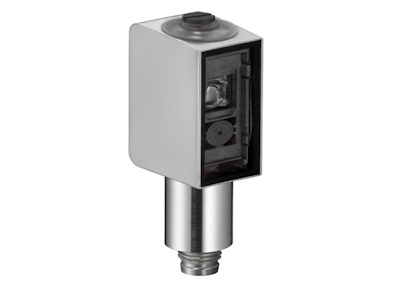
В современном мире точное предсказание погоды играет ключевую роль в повседневной жизни, сельском хозяйстве, туризме и многих других сферах. Метеостанции, особенно домашние или профессиональные, стали незаменимыми инструментами для получения локальных и надежных данных. Но как выбрать подходящую метеостанцию, чтобы избежать ошибок и наслаждаться точными прогнозами? В этой статье мы подробно рассмотрим все аспекты выбора: от типов устройств до практических рекомендаций, основанных на личном опыте и экспертных мнениях.
Метеостанции – это устройства, предназначенные для измерения и прогнозирования погодных условий. Они варьируются от простых домашних моделей до сложных профессиональных систем. Первые шаги в выборе начинаются с понимания, зачем вам нужна метеостанция. Возможно, вы садовод, который хочет следить за температурой и влажностью для оптимального роста растений, или путешественник, планирующий походы с учетом погодных изменений. А может, вы просто любитель точных данных, желающий знать погоду в реальном времени. В любом случае, правильный выбор сэкономит время и деньги.
История метеостанций уходит корнями в древность, когда люди использовали простые наблюдения за природой. Сегодня технологии позволяют нам иметь мини-лаборатории прямо дома. Но с развитием рынка появилось множество опций, что может запутать. Например, некоторые модели предлагают подключение к интернету для синхронизации с глобальными прогнозами, в то время как другие фокусируются на автономных измерениях. Важно оценить свои потребности: если вы живете в регионе с частыми перепадами погоды, инвестиции в более продвинутую модель могут окупиться.
Кроме того, метеостанции не только предоставляют данные, но и помогают в планировании. Представьте, что вы собираетесь на пикник: зная точный прогноз осадков и ветра, вы сможете избежать неприятных сюрпризов. Это особенно актуально для семей с детьми или для тех, кто занимается outdoor-активностями. Но чтобы воспользоваться всеми преимуществами, нужно понимать, как устроены эти устройства. В следующих разделах мы разберем типы метеостанций, их функции и как избежать common pitfalls при покупке.
Метеостанции можно разделить на несколько категорий based on их сложности и назначения. Самые простые – это аналоговые устройства, такие как барометры или термометры, которые показывают базовые параметры like температура и давление. Они дешевы и easy to use, но often lack accuracy и дополнительных функций. For example, аналоговый термометр может давать погрешность до 2-3 градусов, что неприемлемо для precise forecasting.
Более продвинутые option – цифровые метеостанции. Они обычно включают дисплей, sensors для измерения температуры, влажности, давления, and sometimes wind speed и осадков. Эти устройства often подключены к внешним датчикам, которые можно разместить на улице для более accurate readings. Цифровые метеостанции popular среди домашних пользователей due to их affordability и удобству. Однако, их точность зависит от качества sensors и calibration.
Профессиональные метеостанции designed для serious applications, such as agriculture, aviation, or scientific research. Они оснащены high-end sensors, способными измерять multiple parameters с минимальной погрешностью. Например, они могут отслеживать UV index, солнечную радиацию, или даже качество воздуха. These stations often integrated with software для анализа данных и прогнозирования. Стоимость таких систем может достигать thousands of dollars, но они offer unparalleled reliability.
Another emerging type – smart метеостанции, которые подключены к IoT (Internet of Things). Они синхронизируются со smartphones или cloud services, предоставляя данные в реальном времени и alerts. For instance, если ожидается шторм, вы получите push-уведомление. Это ideal для tech-savvy пользователей, но требует stable internet connection и может raise privacy concerns.
При выборе типа, consider ваш бюджет и needs. Если вы новичок, start с цифровой модели за $50-100. For more advanced users, профессиональные options might be worth the investment. Не forget to check reviews и specifications to avoid disappointment.
Когда вы определились с типом, next step – оценить ключевые функции. Temperature measurement – одна из самых basic, но important. Убедитесь, что метеостанция имеет sensors с high accuracy, typically within ±0.5°C. Also, check if it measures humidity, as это crucial для comfort и health, especially in humid climates.
Barometric pressure – another vital parameter для прогноза погоды. Changes in pressure often indicate upcoming weather changes, such as storms or clear skies. Look for stations with barometers that update frequently and provide historical data. Some models even offer graphs или trends, which help in predicting short-term weather.
Wind speed and direction – essential for outdoor activities like sailing or farming. If you need these, choose a station with anemometer и wind vane. Ensure that the sensors are durable and can withstand harsh conditions. For example, in windy areas, opt for models with reinforced mounts.
Precipitation measurement – useful for gardeners or those in rainy regions. Stations with rain gauges can track rainfall accurately, but они require regular maintenance to avoid clogging. Additionally, consider UV index или solar radiation sensors if you spend a lot of time outdoors and want to protect against sun exposure.
Connectivity options – modern метеостанции often offer Wi-Fi или Bluetooth для синхронизации с apps. This allows you to access data remotely and share it with others. However, be aware of data security; choose brands with good privacy policies. Also, check battery life – wireless sensors should last months without replacement.
Display and usability – a clear, backlit display makes it easy to read data even at night. User-friendly interfaces with menus and alerts enhance the experience. Some stations come with alarms for extreme conditions, like frost warnings, which can be lifesavers for plants or pets.
In summary, list your priorities: if accuracy is top, invest in professional sensors; if convenience, go for smart features. Always test the station upon arrival to calibrate if necessary.
Выбор метеостанции involves several критериев beyond just functions. First, accuracy – this is paramount. Read independent reviews или specifications to verify the claimed accuracy. For instance, temperature sensors should be calibrated to standards like NIST. Avoid cheap models from unknown brands, as они often have poor quality control.
Durability – since many stations are placed outdoors, they must withstand elements like rain, wind, and UV radiation. Look for IP ratings (e.g., IP65 for dust and water resistance) and materials like stainless steel или weather-resistant plastics. In cold climates, ensure the station operates in low temperatures without failure.
Ease of installation – some stations require complex setup with multiple sensors and cables. If you're not tech-savvy, choose plug-and-play models. Wireless options are easier but may have range limitations; typically, they work within 100 meters, but obstacles like walls can reduce this.
Cost vs. value – set a budget based on your needs. Entry-level stations cost around $30-50, mid-range $100-200, and high-end over $500. Consider long-term costs like battery replacements или subscription fees for cloud services. Sometimes, spending a bit more upfront saves money later.
Brand reputation – established brands like Davis Instruments, Oregon Scientific, or Netatmo have better customer support and warranties. Check for customer service availability and return policies. In case of issues, you want reliable support.
Additional features – such as data logging, which allows you to track weather patterns over time. This is useful for analysis or reporting. Also, compatibility with smart home systems like Alexa или Google Assistant can add convenience.
Before buying, visit stores или read online forums to see real-user experiences. Avoid impulse purchases; instead, make a list of must-haves and compare models. Remember, the best station is one that fits your specific environment and usage.
Once you've chosen a метеостанция, proper usage and maintenance ensure longevity and accuracy. Start with placement – install sensors in open areas away from heat sources, buildings, or trees that could affect readings. For temperature, aim for a height of 1.5-2 meters above ground to avoid ground heat influence.
Calibration – most stations come pre-calibrated, but over time, sensors may drift. Use reference instruments или online resources to check and adjust if needed. For example, compare temperature readings with a trusted thermometer periodically.
Battery management – replace batteries regularly, especially before extreme weather seasons. Lithium batteries last longer in cold conditions. For solar-powered stations, ensure panels are clean and exposed to sunlight.
Data interpretation – learn to read the data correctly. For instance, a sudden drop in pressure often means bad weather is coming. Use the station's features like trends или alerts to stay informed. Apps can help visualize data, making it easier to understand.
Cleaning and upkeep – clean sensors gently with a soft cloth to remove dust or debris. Avoid harsh chemicals that could damage components. For rain gauges, empty them after storms to prevent overflow and inaccuracies.
Troubleshooting – if readings seem off, check for obstructions or interference. Wireless issues might require repositioning the base station. Consult the manual or online communities for help.
By following these tips, you'll maximize the benefits of your метеостанция and enjoy reliable weather forecasts for years to come.
В итоге, выбор метеостанции – это balance между needs, budget, и features. Whether you opt for a simple model or a high-end system, the key is to prioritize accuracy and reliability. With the right station, you can make informed decisions, enhance safety, and even contribute to citizen science projects by sharing data.
Remember, weather affects everything from daily commutes to agricultural yields, so investing in a good метеостанция is a step towards a more prepared and efficient life. Take your time, do your research, and enjoy the peace of mind that comes with knowing the forecast ahead of time.
If you have questions or experiences to share, feel free to join online forums or communities dedicated to weather enthusiasts. Happy forecasting!
Предыдущая статья: Система мониторинга окружающей среды для чистого будущего ваших детей
Следующий пост: Какая погода будет завтра скажет новая система

 1388xx888xx