
2025-11-27 08:01:10
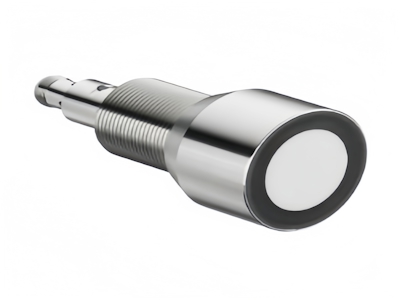
В современном мире, где технологии стремительно развиваются, промышленные процессы становятся все более сложными и требовательными. Одним из ключевых факторов, влияющих на эффективность и качество производства, является контроль влажности. Влажность — это параметр, который может существенно влиять на различные аспекты промышленной деятельности, от сохранности продукции до энергоэффективности оборудования. Именно здесь на сцену выходят современные промышленные датчики влажности, которые стали незаменимым инструментом для оптимизации процессов и повышения общей эффективности.
Промышленные датчики влажности — это устройства, предназначенные для измерения содержания водяного пара в воздухе или других средах. Они используются в широком спектре отраслей, включая сельское хозяйство, пищевую промышленность, фармацевтику, текстильное производство, а также в системах отопления, вентиляции и кондиционирования воздуха (HVAC). Эти датчики не только обеспечивают точные измерения, но и интегрируются с системами автоматизации, позволяя осуществлять непрерывный мониторинг и управление в реальном времени.
История развития датчиков влажности насчитывает несколько десятилетий. Первые устройства были простыми и основаны на механических принципах, таких как гигрометры с волосом или пленочные датчики. Однако с advancements in electronics and materials science, современные датчики стали гораздо более sophisticated. Они используют различные технологии, включая емкостные, резистивные, оптические и термические методы измерения. Каждая из этих технологий имеет свои преимущества и области применения, что позволяет выбирать оптимальное решение для конкретных условий.
Емкостные датчики влажности, например, работают на принципе изменения электрической емкости при изменении влажности. Они широко используются благодаря своей точности, стабильности и способности работать в широком диапазоне температур и влажностей. Резистивные датчики, с другой стороны, измеряют изменение электрического сопротивления материала под воздействием влаги. Они часто применяются в applications where cost is a critical factor, but may be less accurate than capacitive sensors in some conditions.
Оптические датчики используют свет для измерения влажности, часто через явление поглощения или рассеяния света водяным паром. Эти датчики highly accurate and suitable for harsh environments, but can be more expensive and complex. Термические датчики измеряют влажность based on the cooling effect of evaporation, and are commonly used in meteorological applications. The choice of technology depends on factors such as required accuracy, environmental conditions, cost, and integration capabilities.
Преимущества современных промышленных датчиков влажности многочисленны. Во-первых, они обеспечивают high precision and reliability, which is crucial for processes where even small deviations in humidity can lead to significant losses. For example, in the food industry, improper humidity control can cause spoilage, mold growth, or changes in texture and taste. In pharmaceuticals, strict humidity levels are necessary to ensure the stability and efficacy of drugs. Датчики помогают maintain these conditions within narrow tolerances, reducing waste and improving product quality.
Во-вторых, интеграция датчиков с системами автоматизации и IoT (Internet of Things) открывает новые возможности для мониторинга и управления. Современные датчики often come with digital outputs, such as I2C, SPI, or analog signals, allowing easy connection to microcontrollers, PLCs (Programmable Logic Controllers), or cloud-based platforms. This enables real-time data collection, analysis, and remote control. For instance, in smart agriculture, humidity sensors can be part of a network that automatically adjusts irrigation systems based on soil and air humidity, leading to water savings and increased crop yields.
Кроме того, датчики влажности способствуют энергоэффективности. In HVAC systems, precise humidity control can reduce energy consumption by optimizing the operation of humidifiers, dehumidifiers, and air conditioners. By maintaining ideal humidity levels, these systems can operate more efficiently, lowering electricity bills and reducing carbon footprint. This is particularly important in large commercial buildings or industrial facilities where energy costs are a significant expense.
Применение промышленных датчиков влажности разнообразно. В сельском хозяйстве они используются для мониторинга условий в теплицах, хранилищах и полях, помогая prevent crop diseases and improve yield. В пищевой промышленности датчики ensure that products like cheese, bread, or dried fruits are produced and stored under optimal conditions. В фармацевтике они critical for maintaining clean room environments where humidity must be tightly controlled to prevent contamination.
В текстильной промышленности влажность affects the properties of fibers and fabrics, so sensors are used to control processes like spinning and weaving. В электронной промышленности humidity control is essential to prevent electrostatic discharge and corrosion during manufacturing. Даже в музеях и архивах датчики влажности help preserve artifacts by preventing damage from excess moisture or dryness.
Современные тенденции в области датчиков влажности включают miniaturization, improved accuracy, and enhanced connectivity. Датчики становятся меньше и более power-efficient, making them suitable for portable devices and wireless applications. Развитие искусственного интеллекта и машинного обучения позволяет анализировать данные с датчиков для predictive maintenance and optimization. Например, AI algorithms can predict when a sensor might fail or when humidity levels are likely to deviate, allowing proactive interventions.
Еще одной важной тенденцией является focus on sustainability. Производители разрабатывают датчики с меньшим environmental impact, using eco-friendly materials and energy-efficient designs. This aligns with global efforts to reduce waste and promote green technologies.
При выборе промышленного датчика влажности необходимо учитывать несколько факторов. Точность и диапазон измерений должны соответствовать требованиям application. Environmental conditions, such as temperature, pressure, and presence of contaminants, can affect sensor performance, so it's important to choose a sensor that is robust and suitable for the specific environment. Стоимость также играет роль, но often, investing in a high-quality sensor pays off in the long run through reduced maintenance and improved efficiency.
Калибровка и обслуживание датчиков crucial for maintaining accuracy. Многие современные датчики имеют features for self-calibration or easy calibration procedures, but regular checks are still recommended. Интеграция с existing systems should be seamless, so compatibility with communication protocols and software is key.
Внедрение датчиков влажности в промышленные процессы requires careful planning. Начать следует с аудита existing processes to identify areas where humidity control can bring benefits. Затем выбрать подходящие датчики и разместить их strategically for optimal coverage. Обучение персонала how to use and interpret data from the sensors is essential for successful implementation.
Примеры успешного внедрения abound. Например, на пивоваренном заводе использование датчиков влажности в цехах ферментации позволило maintain consistent humidity levels, resulting in improved beer quality and reduced batch variations. В логистике датчики в грузовиках и складах monitor humidity during transportation of sensitive goods like electronics or pharmaceuticals, ensuring they arrive in perfect condition.
В будущем ожидается further advancements in sensor technology. Разработка новых материалов, таких как graphene-based sensors, promises even higher sensitivity and faster response times. Увеличение adoption of wireless and battery-less sensors will enable more flexible and scalable monitoring networks. Интеграция с blockchain technology could provide tamper-proof records of humidity data, useful for compliance and quality assurance.
В заключение, современные промышленные датчики влажности являются vital tool for enhancing efficiency across various industries. Они обеспечивают точный контроль, интеграцию с advanced systems, and contribute to sustainability. By investing in these technologies, companies can achieve significant improvements in product quality, energy savings, and operational efficiency. As technology continues to evolve, the role of humidity sensors will only become more prominent, solidifying their position as a key to modern industrial efficiency.
Для тех, кто рассматривает внедрение датчиков влажности, рекомендуется consult with experts and suppliers to choose the right solution. Testing in real-world conditions before full-scale deployment can help identify any issues and ensure a smooth transition. Remember, the goal is not just to measure humidity, but to use that data to make informed decisions that drive efficiency and innovation.
Таким образом, embracing modern humidity sensors is not just a technological upgrade; it's a strategic move towards a more efficient and sustainable future. Whether you're in manufacturing, agriculture, or any other sector, these sensors can unlock new levels of performance and reliability. So, take the step today and discover how humidity control can transform your operations.
Предыдущая статья: Метеорологические калибровочные устройства ключ к точности прогнозов
Следующий пост: Не экономьте на точности профессиональная калибровка для идеальной работы

 1388xx888xx