
2025-11-28 04:01:10
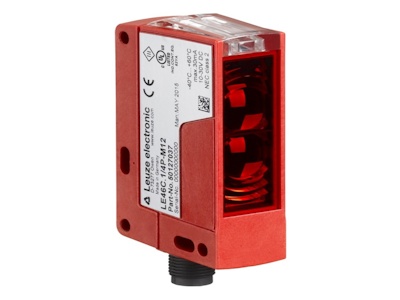
В современном мире, где технологии развиваются с невероятной скоростью, точность измерений играет ключевую роль во множестве отраслей, от промышленного производства до научных исследований. Высокоточные калибровочные приборы являются незаменимыми инструментами, обеспечивающими надежность и качество процессов. В этой статье мы подробно рассмотрим, что такое высокоточные калибровочные приборы, их виды, применение, преимущества, а также поделимся советами по выбору и использованию. Мы также обсудим будущие тенденции в этой области и ответим на часто задаваемые вопросы, чтобы вы могли принять обоснованное решение для своих нужд.
Высокоточные калибровочные приборы — это специализированные устройства, предназначенные для проверки, настройки и обеспечения точности других измерительных инструментов. Они используются для калибровки, то есть сравнения показаний прибора с эталонными значениями, чтобы гарантировать, что измерения соответствуют стандартам. Эти приборы могут быть механическими, электронными или оптическими, и они играют критическую роль в поддержании качества и безопасности в таких областях, как машиностроение, электроника, медицина и аэрокосмическая промышленность. Например, в автомобильной промышленности калибровочные приборы используются для проверки точности датчиков давления в двигателях, что напрямую влияет на эффективность и экологичность транспортных средств. Без них невозможно было бы обеспечить стабильность производственных процессов и соответствие международным нормам, таким как ISO 9001.
История калибровочных приборов насчитывает столетия, начиная с простых механических весов и линеек, которые использовались в древности для торговли и строительства. С развитием науки и техники в XIX и XX веках появились более сложные устройства, такие как микрометры и осциллографы, которые позволили достичь высокой точности в инженерии. Сегодня, с внедрением цифровых технологий и искусственного интеллекта, современные калибровочные приборы стали еще более точными и автоматизированными. Они интегрируются с компьютерными системами для сбора данных и анализа, что делает процессы калибровки быстрее и менее подверженными человеческим ошибкам. Это особенно важно в эпоху Industry 4.0, где интернет вещей (IoT) и big data требуют безупречной точности измерений для оптимизации операций.
Основные компоненты высокоточных калибровочных приборов включают датчики, которые фиксируют физические величины (например, температуру, давление или длину), процессоры для обработки данных, и дисплеи для отображения результатов. Многие из них оснащены функциями самодиагностики и беспроводной связью, что позволяет проводить удаленную калибровку и мониторинг. Например, цифровой мультиметр может калиброваться с помощью эталонного источника напряжения, обеспечивая точность до микровольт. Важность этих приборов невозможно переоценить: они не только предотвращают брак в производстве, но и спасают жизни в медицине, где точность измерений крови или лекарств критична для пациентов.
Существует множество типов высокоточных калибровочных приборов, каждый из которых предназначен для specific applications. Вот некоторые из наиболее распространенных категорий:
Каждый тип прибора имеет свои особенности и требует специализированных знаний для использования. Например, optical calibration instruments, такие как интерферометры, используются для high-precision measurements в optics and photonics, позволяя калибровать lenses and mirrors with nanometer accuracy. С развитием technology, появляются hybrid instruments that combine multiple functions, such as multifunctional calibrators that can handle pressure, temperature, and electrical signals simultaneously. Это делает процессы более efficient and cost-effective, особенно для laboratories and field applications.
Выбор правильного типа прибора зависит от specific needs: для лабораторных settings требуются instruments with higher accuracy and stability, while for field use, portability and robustness are key. Additionally, some instruments are designed for specific industries; for instance, medical calibration devices must comply with regulations like FDA approvals to ensure patient safety. Understanding these categories helps users select the most suitable tool for their applications, maximizing ROI and minimizing risks.
Высокоточные калибровочные приборы находят применение в широком спектре отраслей, где точность измерений является критической. Вот некоторые ключевые области:
Beyond these, calibration instruments are also used in everyday contexts, such as in home appliances or consumer electronics, though with less stringent requirements. The trend towards IoT and smart devices has increased the need for calibration, as sensors in connected systems must provide accurate data for automation and decision-making. For example, in smart cities, calibrated sensors monitor traffic flow, air quality, and energy usage, enabling efficient urban management.
The benefits of using high-precision calibration instruments include improved product quality, reduced waste, enhanced safety, and compliance with international standards like ISO/IEC 17025 for testing laboratories. They also contribute to sustainability by optimizing resource use. For instance, in agriculture, calibrated sensors help apply fertilizers precisely, minimizing environmental impact. As industries evolve, the demand for calibration services grows, making it a vital part of modern economy.
Использование высокоточных калибровочных приборов предлагает numerous advantages that justify their investment. Here are some key benefits:
Additionally, modern calibration instruments often come with features like data logging and connectivity, which streamline processes. They can integrate with enterprise systems for automated calibration schedules and real-time monitoring, further boosting efficiency. For small businesses, outsourcing calibration to certified labs can be a cost-effective alternative, but owning in-house instruments provides greater control and faster response times.
In summary, the advantages of high-precision calibration instruments make them indispensable in today's competitive landscape. They not only protect investments in equipment but also drive innovation by enabling more precise experiments and designs. As technology advances, these benefits will only grow, making calibration a key enabler of progress.
Выбор правильных высокоточных калибровочных приборов требует careful consideration of several factors to ensure they meet your specific needs. Here’s a step-by-step guide:
Additionally, seek advice from experts or peers in your industry. For example, in the medical field, consult with biomedical engineers to select instruments that meet FDA requirements. Training is also crucial; ensure that your team is trained to use the instruments properly to maximize their benefits.
By following these steps, you can select calibration instruments that provide optimal performance and value. Remember, the goal is to achieve reliable measurements that support your operations and compliance goals.
Технологии в области высокоточных калибровочных приборов continuously evolve, driven by innovations in digitalization, AI, and materials science. Here are some emerging trends to watch:
These trends will make calibration more accessible, accurate, and efficient, opening new possibilities for industries. For instance, in healthcare, wearable calibration devices could enable continuous monitoring of medical equipment. As these technologies mature, they will redefine how we approach measurement accuracy.
В: Как часто нужно калибровать приборы?
О: Частота калибровки зависит от типа прибора, условий использования и manufacturer recommendations. Generally, it ranges from annually to every few years, but critical instruments may require more frequent calibration.
В: Можно ли калибровать приборы самостоятельно?
О: Да, но it requires proper training and equipment. For high-precision needs, it's often better to use certified labs to ensure accuracy and compliance.
В: Что такое traceability в калибровке?
О: Traceability means that calibration results can be traced back to national or international standards, ensuring reliability and acceptance.
These FAQs address common concerns, but always consult experts for specific advice.
Высокоточные калибровочные приборы являются cornerstone of modern industry and science, enabling unparalleled accuracy and reliability. By understanding their types, applications, and benefits, you can leverage them to enhance your operations. As technology advances, these instruments will continue to evolve, offering even greater precision and efficiency. Invest in quality calibration today to secure a future of excellence.
Предыдущая статья: Как датчики влажности помогают экономить энергию в системах отопления
Следующий пост: Влажность датчик контроль качества воздуха

 1388xx888xx