
2025-11-30 00:01:10
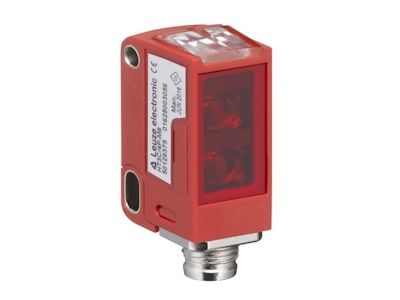
В современной промышленности оптимизация производства является ключевым фактором успеха. Одним из важнейших инструментов для достижения этой цели является правильный выбор и использование промышленных температурных датчиков. Эти устройства играют критическую роль в мониторинге и контроле температурных процессов, что напрямую влияет на качество продукции, энергоэффективность и общую производительность предприятия. В этой статье мы подробно рассмотрим, как выбрать подходящий температурный датчик для вашего производства, основываясь на технических характеристиках, условиях эксплуатации и целях оптимизации.
Промышленные температурные датчики – это устройства, предназначенные для измерения температуры в различных производственных процессах. Они находят применение в таких отраслях, как металлургия, химическая промышленность, пищевая обработка, фармацевтика и многих других. Основная задача этих датчиков – обеспечить точный и надежный мониторинг температуры, что позволяет избежать брака, снизить энергопотребление и повысить безопасность труда.
Температурные датчики могут быть основаны на различных физических принципах, таких как термопары, термосопротивления (RTD), термисторы и инфракрасные датчики. Каждый тип имеет свои преимущества и недостатки, которые необходимо учитывать при выборе. Например, термопары отличаются широким диапазоном измеряемых температур и высокой надежностью, но могут требовать компенсации холодного спая. Термосопротивления, такие как платиновые RTD, обеспечивают высокую точность и стабильность, но имеют более узкий температурный диапазон. Термисторы обладают высокой чувствительностью, но ограничены по температурному диапазону. Инфракрасные датчики позволяют измерять температуру бесконтактно, что идеально для движущихся или труднодоступных объектов.
Выбор правильного датчика зависит от множества факторов, включая диапазон измеряемых температур, требуемую точность, условия окружающей среды, стоимость и простоту установки. Неправильный выбор может привести к неточным измерениям, частым поломкам и, как следствие, к потерям в производстве. Поэтому важно подходить к этому вопросу взвешенно и профессионально.
При выборе промышленного температурного датчика необходимо учитывать несколько ключевых критериев, которые помогут определить наиболее подходящее устройство для ваших нужд.
Одним из первых параметров, на которые следует обратить внимание, является диапазон измеряемых температур. Он должен соответствовать условиям вашего производственного процесса. Например, если вы работаете в металлургии, где температуры могут достигать тысяч градусов, вам понадобятся датчики с высокотемпературным диапазоном, такие как термопары типа B или S. Для пищевой промышленности, где температуры обычно не превышают 100-200°C, могут подойти термосопротивления или термисторы.
Важно также учитывать возможные колебания температуры. Если процесс involves rapid changes, датчик должен иметь быстрое время отклика. Термисторы и некоторые типы термопар обладают малым временем отклика, в то время как RTD могут быть медленнее.
Точность измерения – критический параметр для многих производственных процессов. Она определяет, насколько близко показания датчика соответствуют реальной температуре. Точность обычно выражается в процентах или градусах. Например, платиновые RTD могут иметь точность до ±0.1°C, в то время как термопары – ±1-2°C или более.
Стабильность refers to the ability of the sensor to maintain its accuracy over time. Датчики с высокой стабильностью требуют меньше калибровок и обслуживания. RTD generally offer better stability compared to thermocouples, which can drift due to aging or contamination.
Условия, в которых будет работать датчик, сильно влияют на его выбор. Факторы, такие как влажность, вибрация, коррозионные среды и электромагнитные помехи, могут повлиять на performance и срок службы датчика. Например, в агрессивных средах, таких как химические производства, необходимо использовать датчики с защитными кожухами из нержавеющей стали или других коррозионностойких материалов.
Если датчик будет подвергаться сильным вибрациям, как в машиностроении, важно выбрать robust конструкцию с хорошей механической прочностью. Беспроводные датчики могут быть уязвимы к EMI, поэтому в таких случаях предпочтительнее проводные варианты с экранированием.
Стоимость датчика включает не только первоначальную purchase цену, но и затраты на установку, обслуживание и возможную замену. Более дешевые датчики, такие как некоторые термопары, могут иметь higher долгосрочные costs due to frequent calibration or replacement. Напротив, более дорогие RTD могут offer lower TCO благодаря своей надежности и стабильности.
Следует also consider энергопотребление, особенно для беспроводных датчиков в системах IoT. Энергоэффективные датчики могут снизить operational costs и увеличить autonomy.
Датчик должен быть compatible с вашей системой управления или SCADA. Это includes electrical interfaces (e.g., 4-20 mA, voltage output, digital protocols like Modbus or Profibus) и mechanical mounting options. Если вы модернизируете existing систему, важно убедиться, что новый датчик can be easily integrated without major modifications.
For new installations, consider future-proofing by choosing sensors with advanced features like self-diagnostics or connectivity to cloud platforms for remote monitoring.
Давайте подробнее рассмотрим основные типы температурных датчиков и их typical применения в промышленности.
Термопары – одни из most widely used температурных датчиков due to their wide temperature range (-200°C to +2300°C), robustness, and relatively low cost. Они работают на основе эффекта Зеебека: when two dissimilar metals are joined, a voltage is generated proportional to the temperature difference.
Common types include Type K (chromel-alumel, range -200°C to 1350°C), Type J (iron-constantan, range -40°C to 750°C), and Type S (platinum-rhodium, range 0°C to 1600°C). Термопары ideal for high-temperature applications like furnaces, engines, and turbines. Однако они require compensation for cold junction and can be affected by EMI.
RTD, particularly platinum RTD (e.g., PT100), offer high accuracy (up to ±0.1°C) and excellent stability over time. Они work on the principle that electrical resistance of metals changes with temperature. PT100 has a resistance of 100 ohms at 0°C.
RTD are suitable for applications where precision is critical, such as in pharmaceutical manufacturing, food processing, and laboratory equipment. Their temperature range is typically -200°C to 850°C. Они more expensive than thermocouples but provide better long-term reliability.
Термисторы – semiconductor devices with a high sensitivity to temperature changes. Они can be NTC (negative temperature coefficient) or PTC (positive temperature coefficient). NTC термисторы are common for temperature measurement due to their high resolution in a narrow range (e.g., -50°C to 150°C).
They are often used in applications like HVAC systems, automotive sensors, and medical devices. Their small size and fast response make them ideal for point measurements, but они can be fragile and require calibration for accuracy.
IR датчики measure temperature without contact by detecting infrared radiation emitted by objects. Они are perfect for moving objects, hazardous environments, or where contact is impractical, such as in glass manufacturing or electronics assembly.
Their range can be from -50°C to over 3000°C, depending on the model. However, они can be affected by emissivity of the surface and environmental factors like dust or smoke. They are generally more expensive but offer non-invasive monitoring.
Other less common types include semiconductor-based sensors (e.g., IC sensors like LM35), which are low-cost and easy to use but limited to lower temperatures, and fiber optic sensors, which are immune to EMI and suitable for extreme environments.
Each type has its niche; for example, fiber optic sensors are used in power generation or aerospace where traditional sensors might fail.
Чтобы выбрать и successfully внедрить температурный датчик, follow these practical steps.
Start by analyzing your specific needs: what temperature range is required? What accuracy is necessary? What are the environmental conditions? Consult with process engineers and review historical data if available.
For example, in a baking oven for food production, you might need a sensor with a range up to 300°C, accuracy of ±1°C, and resistance to moisture. In contrast, for a steel mill, a thermocouple with high-temperature capability and robustness against oxidation is key.
Based on your analysis, select the appropriate type. Use decision matrices or consult manufacturer catalogs. For instance, if high accuracy is needed over a moderate range, choose an RTD. For very high temperatures, a thermocouple is better.
Consider redundancy for critical processes; installing multiple sensors can improve reliability.
Proper installation is crucial for accurate measurements. Ensure the sensor is placed in a representative location, avoiding dead zones or areas with stratification. Use thermowells for protection in harsh environments.
For electrical connections, follow best practices to minimize noise and ensure good grounding. Calibrate the sensor before installation and periodically thereafter.
Integrate the sensor with your control system. This may involve configuring input modules, setting up alarms, and programming logic for automatic adjustments. Use standard protocols to facilitate communication.
For advanced optimization, implement data analytics to track trends and predict maintenance needs. IoT-enabled sensors can send data to cloud platforms for real-time monitoring and analysis.
After installation, test the system under actual operating conditions. Compare readings with reference instruments if possible. Validate that the sensor meets performance requirements and make adjustments as needed.
Document the process for future reference and training purposes.
Рассмотрим real-world examples where proper sensor selection led to production optimization.
В одной крупной bakery, замена старых thermocouples на high-accuracy RTD в печах позволила reduce temperature variations by 20%. Это привело к improved product consistency, reduced waste, and energy savings of 15% due to better control.
The sensors were integrated with a PLC system that automatically adjusted heating elements based on real-time data, showcasing how smart sensors enhance automation.
На chemical plant, использование corrosion-resistant RTD with wireless connectivity in reactor vessels enabled remote monitoring and reduced downtime. Predictive maintenance algorithms detected early signs of sensor drift, allowing proactive calibration.
This resulted in a 30% decrease in unplanned shutdowns and improved safety by ensuring temperatures stayed within safe limits.
В steel mill, installation of infrared sensors for non-contact measurement of molten metal temperature increased accuracy and eliminated the need for frequent probe replacements. Data from sensors was fed into an AI system that optimized furnace operations, leading to a 10% increase in yield and lower fuel consumption.
These examples highlight how the right sensor choice, coupled with advanced technology, drives efficiency.
The field of temperature sensing is evolving with trends like IoT, AI, and miniaturization.
IoT sensors with wireless capabilities are becoming more common, enabling real-time data collection and cloud-based analytics. This facilitates predictive maintenance and energy management.
AI and machine learning are used to analyze sensor data for anomaly detection and optimization. For example, algorithms can predict equipment failures based on temperature trends.
Miniaturization allows for sensors in previously inaccessible areas, enhancing monitoring capabilities. Materials science advances are improving sensor durability and range.
Embrace these trends to stay competitive; consider upgrading to smart sensors for future-proofing your operations.
Выбор промышленного температурного датчика – complex but critical task for production optimization. Key takeaways: assess your needs carefully, choose the right type based on range, accuracy, and environment, and ensure proper installation and integration.
Recommendations: start with a pilot project if unsure, consult with experts or suppliers, and invest in training for your team. Regular maintenance and calibration are essential for long-term performance.
By selecting the appropriate sensor, you can achieve significant improvements in quality, efficiency, and cost savings. Remember, the goal is not just to measure temperature, but to use that data to drive intelligent decisions and continuous improvement in your production processes.
In summary, a well-chosen temperature sensor is a powerful tool in the journey towards industrial excellence. Take the time to make the right choice, and your production will reap the benefits for years to come.
Предыдущая статья: Совершенный инструмент для сбора данных в реальном времени
Следующий пост: Уникальный накопитель данных для вашего бизнеса

 1388xx888xx