
2025-12-02 12:01:10
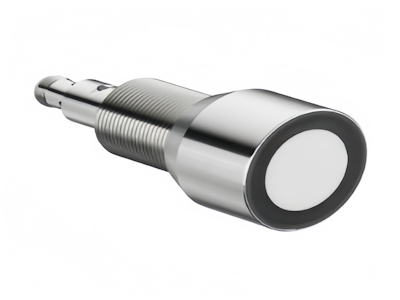
В современном мире, где точность данных играет ключевую роль в различных отраслях, от метеорологии до строительства и авиации, выбор правильного оборудования для измерений становится критически важным. Одним из таких инструментов является анемометр – прибор для измерения скорости и направления ветра. В то время как традиционные аналоговые анемометры долгое время доминировали на рынке, цифровые анемометры постепенно вытесняют их благодаря своим неоспоримым преимуществам. В этой статье мы подробно рассмотрим, почему стоит выбрать цифровой анемометр для точных измерений ветра, анализируя его особенности, преимущества, применение и будущие тенденции.
Ветер – это природное явление, которое оказывает значительное влияние на множество аспектов человеческой деятельности. От прогнозирования погоды до обеспечения безопасности в авиации и морском судоходстве, точные данные о скорости и направлении ветра необходимы для принятия обоснованных решений. Например, в метеорологии ветер является ключевым параметром для составления прогнозов погоды, предсказания штормов и мониторинга климатических изменений. В строительной отрасли измерения ветра помогают оценить нагрузки на конструкции, такие как высотные здания или мосты, что прямо влияет на безопасность и долговечность проектов. В авиации пилоты и диспетчеры полагаются на точные данные о ветре для планирования полетов, взлетов и посадок, минимизируя риски аварий. Кроме того, в энергетике, особенно в ветроэнергетике, измерения ветра используются для оптимизации работы ветряных турбин и повышения их эффективности. Даже в спорте, таком как парусный спорт или парапланеризм, знание ветровых условий может определить успех или неудачу. Таким образом, инструменты для измерений ветра, такие как анемометры, играют незаменимую роль. Однако не все анемометры созданы равными. Аналоговые модели, хотя и проверены временем, часто уступают цифровым в точности, удобстве и функциональности. Цифровые анемометры, использующие современные технологии, предлагают более высокую точность, возможность интеграции с цифровыми системами и дополнительные функции, такие как запись данных и удаленный мониторинг. Это делает их предпочтительным выбором для профессионалов, требующих надежных и точных измерений. В следующих разделах мы углубимся в детали, объясняя, почему цифровые анемометры стоит выбрать для ваших нужд.
Чтобы понять преимущества цифровых анемометров, полезно оглянуться на историю развития этих приборов. Первые анемометры появились еще в древности, но современная их версия берет начало в XIX веке. Один из первых практических анемометров был изобретен ирландским астрономом Джоном Томасом Ромни Робинсоном в 1846 году. Его чашечный анемометр, состоящий из трех или четырех чашек, вращающихся под действием ветра, стал стандартом для измерений скорости ветра на многие десятилетия. Этот механический прибор измерял скорость ветра на основе количества оборотов чашек, которые преобразовывались в скорость с помощью калибровки. Хотя такие анемометры были надежны и просты в использовании, они имели ограничения в точности, особенно при низких скоростях ветра или в турбулентных условиях. Кроме чашечных анемометров, существовали и другие типы, такие как крыльчатые анемометры (использующие пропеллер) или термоанемометры (измеряющие скорость ветра через охлаждение нагретого элемента). В XX веке с развитием электроники начали появляться первые электронные анемометры, которые использовали датчики для преобразования механического движения в электрические сигналы. Однако настоящий прорыв произошел с advent цифровых технологий в конце XX и начале XXI веков. Цифровые анемометры заменили аналоговые стрелки и циферблаты на цифровые дисплеи, микропроцессоры и датчики высокой точности. Это позволило не только улучшить точность измерений, но и добавить функции, такие как хранение данных, подключение к компьютерам и автоматизация процессов. Сегодня цифровые анемометры часто интегрируются в сложные метеорологические системы, используя беспроводные технологии и IoT (Интернет вещей) для реального мониторинга. Эта эволюция от механических к цифровым приборам подчеркивает стремление человечества к большей точности и эффективности, что напрямую связано с выбором цифровых анемометров для современных применений.
Цифровые анемометры предлагают ряд преимуществ по сравнению с их аналоговыми предшественниками, что делает их идеальным выбором для точных измерений ветра. Во-первых, точность и разрешение цифровых анемометров значительно выше. Они используют высокочувствительные датчики, такие как ультразвуковые или hot-wire датчики, которые могут измерять скорость ветра с точностью до 0,1 м/с или даже лучше. Это особенно важно в applications, где небольшие изменения ветра могут иметь большие последствия, например, в авиации при взлете или в научных исследованиях климата. Аналоговые анемометры, напротив, often suffer from mechanical friction and inertia, leading to errors, especially at low wind speeds. Во-вторых, цифровые анемометры обеспечивают быстрое время отклика. Они могут обновлять показания несколько раз в секунду, что позволяет capture rapid changes in wind conditions, such as gusts or turbulence. This is crucial for safety in activities like sailing or construction, where sudden wind shifts can be hazardous. Analog anemometers, with their moving parts, have slower response times and may lag behind actual conditions. В-третьих, цифровые модели often come with additional features that enhance usability. For example, many digital anemometers can measure not only wind speed but also wind direction, temperature, humidity, and even atmospheric pressure, providing a comprehensive environmental overview. They also include data logging capabilities, allowing users to record measurements over time for analysis. This is invaluable for long-term monitoring, such as in weather stations or wind farm management. Connectivity is another key advantage; digital anemometers can be connected to computers, smartphones, or networks via USB, Bluetooth, or Wi-Fi, enabling remote monitoring and data sharing. This facilitates integration into larger systems, such as automated weather networks or IoT applications. In contrast, analog anemometers are standalone devices with limited functionality. Moreover, digital anemometers are generally more durable and require less maintenance. Without mechanical parts that can wear out, they are less prone to damage from environmental factors like dust, moisture, or extreme temperatures. Many are designed to be waterproof or ruggedized for outdoor use. Calibration is also easier with digital models; they often have self-calibration features or can be calibrated using software, whereas analog anemometers require physical adjustment by experts. Finally, digital displays provide clear, easy-to-read readings, often with backlighting for use in low-light conditions, reducing human error in interpretation. All these benefits contribute to why digital anemometers are preferred for precise wind measurements in professional settings.
Цифровые анемометры нашли широкое применение across multiple industries due to their accuracy and versatility. In meteorology and climatology, they are essential tools for weather forecasting and climate monitoring. Professional weather stations use digital anemometers to provide real-time data on wind speed and direction, which is transmitted to central databases for analysis. This data helps predict storms, monitor climate change trends, and issue warnings for severe weather events. The high precision of digital models ensures that forecasts are reliable, which is critical for public safety. In the aviation industry, digital anemometers are used at airports to measure wind shear and crosswinds, aiding pilots during takeoff and landing. Air traffic controllers rely on this information to manage flight paths and avoid accidents. Similarly, in maritime navigation, ships use anemometers to assess wind conditions for safe sailing and route planning. The ability to integrate digital anemometers with other navigation systems enhances overall safety. In the construction sector, digital anemometers are employed to monitor wind loads on cranes, scaffolds, and tall structures. Engineers use this data to ensure that construction activities can proceed safely under varying wind conditions, preventing accidents and structural failures. For example, during the erection of skyscrapers, continuous wind monitoring is mandatory to avoid risks. In renewable energy, particularly wind power, digital anemometers are crucial for site assessment and turbine optimization. Wind farm operators use them to measure wind resources, determine the best locations for turbines, and adjust blade angles to maximize energy output. The data logging feature allows for long-term analysis of wind patterns, improving efficiency and profitability. In sports and recreation, such as sailing, kite flying, or paragliding, enthusiasts use portable digital anemometers to check conditions before activities. Their compact size and ease of use make them ideal for field applications. Additionally, in agriculture, digital anemometers help in monitoring wind for pesticide spraying or irrigation planning, reducing waste and environmental impact. Even in research and education, digital anemometers are valuable for experiments in physics or environmental science, providing students with accurate data for learning. The adaptability of digital anemometers to different environments—from harsh outdoor conditions to controlled laboratories—underscores their utility. As technology advances, new applications continue to emerge, such as in smart cities for urban wind monitoring or in disaster management for assessing storm impacts. This broad applicability demonstrates why investing in a digital anemometer is a wise choice for anyone needing precise wind measurements.
Технологический прогресс has significantly enhanced the capabilities of digital anemometers, making them more accurate, reliable, and user-friendly. One major innovation is the use of ultrasonic sensors. Ultrasonic anemometers measure wind speed and direction by transmitting sound waves between transducers and analyzing the time it takes for the waves to travel. Since there are no moving parts, they are highly durable and accurate, with minimal maintenance required. They can operate in extreme conditions, such as high winds or icing, where mechanical anemometers might fail. Another advancement is the integration of MEMS (Micro-Electro-Mechanical Systems) technology, which allows for miniaturization of sensors. This has led to the development of compact, portable digital anemometers that are ideal for field use. For instance, handheld models with MEMS sensors can provide instant readings with high precision, appealing to professionals like engineers or outdoor enthusiasts. Wireless connectivity is another key innovation. Modern digital anemometers often feature Bluetooth, Wi-Fi, or cellular connectivity, enabling real-time data transmission to smartphones, tablets, or cloud platforms. This allows for remote monitoring and control, which is particularly useful for applications like offshore wind farms or remote weather stations where physical access is limited. Accompanying mobile apps provide user-friendly interfaces for data visualization and analysis. Data processing capabilities have also improved. Digital anemometers now include built-in microprocessors that can perform complex calculations, such as averaging wind speed over time, detecting gusts, or calculating wind chill. Some models even incorporate machine learning algorithms to predict wind patterns based on historical data, enhancing predictive accuracy. Power efficiency has been addressed through the use of low-energy components and solar charging options, making digital anemometers suitable for long-term deployments without frequent battery changes. Additionally, environmental sensors are often integrated into single units; for example, a digital anemometer might also measure temperature, humidity, and pressure, providing a comprehensive environmental station. This multifunctionality reduces the need for multiple devices, saving cost and space. Calibration techniques have evolved as well; many digital anemometers offer automatic calibration or easy calibration via software, ensuring ongoing accuracy without expert intervention. Looking ahead, emerging technologies like IoT and AI are set to further revolutionize digital anemometers. IoT-enabled devices can form networks for collaborative monitoring, while AI can analyze vast datasets to improve weather predictions. These innovations not only boost performance but also make digital anemometers more accessible and affordable for a wider range of users. By embracing these technological advances, digital anemometers continue to set the standard for wind measurement accuracy.
When deciding between digital and analog anemometers, it's important to weigh their differences objectively. Analog anemometers, such as cup or vane types, have been used for decades and are known for their simplicity and reliability. They typically consist of mechanical parts that move with the wind, and readings are taken from a dial or scale. One advantage of analog models is their independence from power sources; they don't require batteries or electricity, making them usable in remote areas. They are also often less expensive upfront compared to high-end digital models. However, these benefits are outweighed by the limitations. Analog anemometers are generally less accurate. Mechanical friction, wear and tear, and environmental factors like temperature changes can affect their precision. For example, at low wind speeds, analog anemometers may not register movement accurately, leading to underestimation. They also have slower response times, meaning they might miss sudden wind changes, which can be critical in safety-sensitive applications. Maintenance is another issue; analog anemometers need regular calibration and part replacement, which can be costly and time-consuming. In contrast, digital anemometers offer superior accuracy due to electronic sensors that minimize mechanical errors. They provide digital readouts with high resolution, reducing human error in reading scales. Digital models excel in functionality; they can store data, connect to other devices, and offer additional measurements like temperature or humidity. This makes them more versatile for modern needs. While digital anemometers do require power (usually batteries or external sources), advancements in battery technology have extended their lifespan, and many models are energy-efficient. The initial cost might be higher, but the long-term benefits—such as reduced maintenance costs, better data quality, and enhanced features—often justify the investment. For instance, in professional settings like meteorology or aviation, the cost of inaccurate data far exceeds the price of a digital anemometer. User experience is also better with digital models; their displays are clear and often backlit, and they can be used in various lighting conditions. Analog anemometers, with their moving pointers, can be hard to read accurately, especially in dim light or during vibration. Furthermore, digital anemometers are more adaptable to integration with digital systems, which is essential in today's connected world. For example, data from digital anemometers can be easily uploaded to databases for analysis, whereas analog data requires manual recording, which is prone to errors. In summary, while analog anemometers have their place in simple, low-budget applications, digital anemometers are the better choice for anyone requiring precise, reliable, and comprehensive wind measurements. The technological edge and added features make them worth the investment.
Selecting the right digital anemometer depends on your specific needs and application. Here are key factors to consider. First, determine the required accuracy and range. For high-precision applications like scientific research or aviation, look for models with accuracy within ±0.1 m/s and a wide wind speed range (e.g., 0 to 60 m/s). For general use, such as outdoor activities, a lower accuracy might suffice. Check the sensor type; ultrasonic sensors offer high accuracy and durability, while hot-wire or propeller sensors might be more affordable but less robust. Second, consider additional features. If you need to measure wind direction, ensure the anemometer has a compatible sensor. Some models include environmental sensors for temperature, humidity, or pressure, which can be useful for comprehensive monitoring. Data logging is important for long-term studies; opt for devices with internal memory or connectivity to external storage. Connectivity options like USB, Bluetooth, or Wi-Fi allow for easy data transfer and remote monitoring. Third, evaluate the build quality and durability. For outdoor use, choose anemometers with waterproof (IP ratings) and rugged designs to withstand harsh conditions. Portability might be a factor; handheld models are great for field work, while fixed installations require sturdy mounting options. Power source is another consideration; battery-operated models offer mobility, but for permanent setups, consider models with external power or solar options. Fourth, think about usability. A clear display with backlighting is essential for reading in low light. User interface should be intuitive; some digital anemometers come with buttons or touchscreens for easy operation. Software support is valuable; check if the manufacturer provides apps or software for data analysis and calibration. Fifth, budget is always a factor. Digital anemometers vary in price from affordable consumer models to expensive professional units. Balance cost with the features you need; investing in a higher-end model might save money in the long run through better accuracy and reliability. Read reviews and compare brands; reputable manufacturers like Davis Instruments, Kestrel, or Bosch often produce reliable products. Finally, consider calibration and maintenance. Digital anemometers generally require less maintenance, but ensure they offer easy calibration methods. Some come with calibration certificates or automated routines. By carefully assessing these factors, you can choose a digital anemometer that meets your requirements for precise wind measurements, ensuring optimal performance and value.
The future of digital anemometers looks promising, with ongoing advancements aimed at enhancing their capabilities and accessibility. One major trend is the integration with Internet of Things (IoT) technology. IoT-enabled digital anemometers can connect to networks, allowing for real-time data sharing and collaborative monitoring across multiple locations. This is particularly useful for large-scale applications like smart cities, where wind data can be used for urban planning, pollution control, or disaster preparedness. For example, networks of anemometers could provide detailed wind maps for optimizing ventilation in buildings or reducing energy consumption. Artificial intelligence (AI) and machine learning are also being incorporated to improve data analysis. AI algorithms can predict wind patterns based on historical data, leading to more accurate weather forecasts and better decision-making in industries like agriculture or energy. This could enable proactive measures, such as adjusting turbine settings in advance of wind changes. Miniaturization will continue, making digital anemometers even smaller and more portable without sacrificing accuracy. This will open up new applications in personal devices, such as smartphones or wearables, where wind measurement could be a feature for outdoor enthusiasts. Sustainability is another focus; future models may use renewable energy sources like solar power or energy harvesting from wind itself, reducing environmental impact. Enhanced durability through new materials and designs will allow digital anemometers to operate in extreme environments, such as polar regions or space exploration. Additionally, affordability will improve as technology becomes more widespread, making high-precision anemometers accessible to a broader audience, including schools and small businesses. Standardization and interoperability will be key; efforts to create universal protocols for data exchange will facilitate integration with other systems, such as weather networks or smart grids. Finally, user experience will be enhanced through augmented reality (AR) interfaces or voice commands, making operation more intuitive. As climate change emphasizes the need for accurate environmental monitoring, digital anemometers will play a crucial role in global efforts to understand and mitigate its effects. By staying ahead of these trends, users can future-proof their investments and benefit from the latest innovations in wind measurement technology.
В заключение, выбор цифрового анемометра для точных измерений ветра оправдан множеством преимуществ. Высокая точность, быстрый отклик, дополнительные функции, такие как измерение направления ветра и данных о окружающей среде, а также возможности подключения и долговечность делают цифровые модели превосходящими аналоговые аналоги. Они нашли применение в различных отраслях, от метеорологии и авиации до строительства и энергетики, обеспечивая надежные данные для безопасности и эффективности. Технологические инновации, такие как ультразвуковые датчики и IoT-интеграция, продолжают улучшать их производительность, а будущие тенденции обещают еще большие возможности. При выборе цифрового анемометра важно учитывать конкретные потребности, но в целом, инвестиция в цифровую технологию окупается за счет повышения точности и снижения затрат на обслуживание. Для anyone, кто требует точных измерений ветра, цифровой анемометр является незаменимым инструментом, способствующим прогрессу и безопасности в современном мире.
Таким образом, embracing digital anemometers is not just a trend but a necessity for achieving precise and reliable wind measurements in today's fast-paced and data-driven environment.
Предыдущая статья: Невероятная точность нового ручного анемометра
Следующий пост: Выбираем лучший анемометр для точных измерений скорости ветра

 1388xx888xx