
2025-12-10 12:01:10
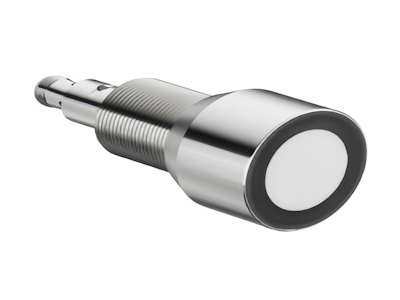
В современном мире точные измерения погодных условий играют ключевую роль в различных областях, от метеорологии до спорта и сельского хозяйства. Среди многочисленных инструментов портативный датчик ветра выделяется как незаменимое устройство для мониторинга скорости и направления ветра. Эта статья предоставляет всесторонний анализ портативных датчиков ветра, их применения, принципов работы, преимуществ и будущих тенденций. Мы рассмотрим, как эти устройства обеспечивают высокую точность измерений, их роль в повышении безопасности и эффективности, а также практические советы по выбору и использованию.
Портативный датчик ветра — это компактное и легкое устройство, предназначенное для измерения скорости и направления ветра в реальном времени. В отличие от стационарных метеостанций, эти датчики предлагают мобильность, что делает их идеальными для полевых работ, спортивных мероприятий, аварийных ситуаций и личного использования. Их развитие связано с прогрессом в микроэлектронике и сенсорных технологиях, что позволяет достигать высокой точности при минимальных размерах.
Исторически, измерение ветра восходит к древним временам, когда люди использовали простые флюгеры и анемометры. Однако с появлением цифровых технологий в XX веке датчики ветра стали более sophisticated. Первые портативные модели появились в 1980-х годах, и с тех пор они эволюционировали, интегрируя беспроводные соединения, GPS и возможности обработки данных в реальном времени.
Современные портативные датчики ветра обычно состоят из сенсоров скорости (анемометров) и направления (флюгеров), микропроцессоров для обработки данных, дисплеев для визуализации результатов, и источников питания, таких как батареи или солнечные панели. Они могут быть подключены к смартфонам или компьютерам через Bluetooth или Wi-Fi, что позволяет пользователям анализировать данные удаленно.
Важность этих устройств нельзя переоценить. В метеорологии они помогают в прогнозировании погоды и изучении климатических изменений. В авиации и мореплавании точные измерения ветра критичны для безопасности полетов и навигации. В сельском хозяйстве датчики ветра используются для оптимизации ирригации и защиты crops от ветровой эрозии. Кроме того, в спорте, таком как парусный спорт или альпинизм, они предоставляют vital информацию для принятия решений.
Эта статья aims to provide a deep dive into the world of portable wind sensors. We will explore their technical aspects, applications across industries, benefits over traditional methods, and the future of this technology. By the end, readers will have a thorough understanding of how to leverage these devices for accurate and reliable wind measurements.
Портативные датчики ветра работают на основе физических принципов, связанных с движением air. Основные компоненты include анемометры для измерения скорости и флюгеры для определения направления. Анемометры могут быть cup, vane, или ultrasonic типа. Cup анемометры используют вращающиеся чашки, скорость которых коррелирует со скоростью ветра. Vane анемометры измеряют wind speed based on the deflection of a vane, while ultrasonic sensors use sound waves to calculate wind velocity by measuring the time it takes for signals to travel between transducers.
Для измерения направления, флюгеры или wind vanes are employed. These devices align themselves with the wind direction, and sensors detect the angle of alignment. Modern portable sensors often combine these elements into a single unit, using microprocessors to process data and provide readings in real-time. Calibration is crucial to ensure accuracy, and many devices come pre-calibrated or allow user calibration based on environmental conditions.
Data from the sensors is typically converted into digital signals and displayed on an LCD screen or transmitted to external devices. Advanced models may include features like data logging, allowing users to record measurements over time for analysis. The power supply is usually from rechargeable batteries, with some models offering solar charging options for extended use in remote areas.
Accuracy is a key factor, and portable wind sensors can achieve precisions of up to ±0.1 m/s for speed and ±1 degree for direction, depending on the model and conditions. Factors such as turbulence, temperature, and humidity can affect readings, so high-quality sensors incorporate compensation algorithms to minimize errors.
In summary, the working principle involves capturing wind movement, converting it into measurable data, and presenting it in a user-friendly format. This technology has benefited from miniaturization and improved sensor materials, making portable devices both reliable and affordable.
Портативные датчики ветра находят применение в wide range of industries due to their versatility and accuracy. In meteorology, they are used for field research, weather monitoring, and climate studies. Meteorologists deploy these sensors in remote locations to collect data for models and forecasts, enhancing our understanding of weather patterns.
In aviation, wind sensors are critical for airport operations, providing real-time data on wind shear and gusts that can affect takeoffs and landings. Portable versions allow for quick assessments in emergency situations or at smaller airstrips where permanent installations are not feasible.
Maritime industries rely on wind measurements for navigation and safety. Sailors and ship captains use portable sensors to monitor wind conditions, optimize routes, and avoid storms. In fishing and offshore operations, accurate wind data helps in planning activities and ensuring crew safety.
Agriculture benefits significantly from portable wind sensors. Farmers use them to monitor wind speed for tasks like pesticide spraying, where wind can cause drift and reduce efficiency. Additionally, in wind-prone areas, sensors help in designing windbreaks to protect crops and soil.
Sports and recreation are another major area. In sailing, wind sensors provide competitors with real-time data to adjust sails and strategies. In mountaineering and hiking, they help assess weather conditions and avoid dangerous wind events. Even in urban settings, portable sensors are used for outdoor events to ensure safety from strong winds.
Emergency services, such as firefighting and search and rescue, use portable wind sensors to predict fire behavior or plan operations based on wind conditions. In construction, wind measurements are vital for crane operations and safety protocols.
Overall, the portability and accuracy of these devices make them indispensable across sectors, improving decision-making and operational efficiency.
Портативные датчики ветра offer several advantages over traditional, stationary wind measurement systems. First and foremost is mobility. Unlike fixed anemometers, portable sensors can be easily carried and deployed anywhere, making them ideal for temporary or remote monitoring. This flexibility allows for data collection in diverse environments without the need for permanent infrastructure.
Cost-effectiveness is another significant benefit. Traditional weather stations can be expensive to install and maintain, whereas portable sensors are generally affordable and have lower operational costs. This makes them accessible to individuals, small businesses, and organizations with limited budgets.
Ease of use is a key feature. Modern portable sensors are designed with user-friendly interfaces, often featuring plug-and-play functionality. Many models connect to smartphones via apps, providing intuitive data visualization and analysis tools. This democratizes wind measurement, allowing non-experts to obtain accurate readings.
Real-time data capabilities enhance decision-making. Portable sensors provide instantaneous feedback, which is crucial in time-sensitive situations like sports events or emergency responses. Data can be logged and shared remotely, facilitating collaboration and quick actions.
Accuracy and reliability have improved with advancements in sensor technology. Portable devices now rival stationary ones in precision, thanks to better calibration and error-correction algorithms. They are also less susceptible to environmental obstructions that can affect fixed installations.
Environmental impact is reduced, as portable sensors require less material and energy for operation. Their battery-powered or solar-charged designs promote sustainability compared to grid-dependent systems.
In conclusion, portable wind sensors provide a practical, efficient, and economical solution for wind measurement, outperforming traditional methods in many scenarios.
Будущее портативных датчиков ветра looks promising, with ongoing innovations aimed at enhancing functionality and integration. One key trend is the incorporation of Internet of Things (IoT) technology. Sensors will become smarter, capable of connecting to networks for automated data sharing and analysis. This will enable real-time monitoring on a global scale, useful for climate research and disaster management.
Advancements in materials science will lead to more durable and lightweight sensors. For example, the use of graphene or other nanomaterials could improve sensitivity and reduce power consumption, extending battery life and making devices even more portable.
Artificial intelligence (AI) and machine learning will play a larger role in data processing. Future sensors may predict wind patterns based on historical data, providing proactive insights rather than reactive measurements. This could revolutionize fields like renewable energy, where wind forecasting is critical for turbine efficiency.
Miniaturization will continue, with sensors becoming smaller and more integrated into everyday devices. Imagine smartphones with built-in wind sensors, allowing users to access wind data effortlessly. This could spur new applications in personal health and fitness, such as monitoring wind conditions during outdoor exercises.
Energy harvesting techniques, such as piezoelectric or thermoelectric generation, may eliminate the need for batteries altogether, making sensors self-sustaining and ideal for long-term deployments in harsh environments.
Collaboration with other technologies, like drones or autonomous vehicles, will expand the scope of wind measurement. Drones equipped with portable sensors could map wind patterns in 3D, providing detailed data for urban planning or agriculture.
Overall, the future holds exciting possibilities for portable wind sensors, driven by technological convergence and a growing demand for precise environmental monitoring.
При выборе портативного датчика ветра, consider factors such as accuracy, range, battery life, and connectivity. Look for models with high precision specs, e.g., speed accuracy within ±0.5 m/s and direction within ±5 degrees. Check the measurement range to ensure it covers the wind speeds you expect to encounter.
Battery life is crucial for field use. Opt for devices with long-lasting batteries or solar charging options. Connectivity features like Bluetooth or Wi-Fi can enhance usability by allowing data transfer to smartphones or computers.
Durability and weather resistance are important, especially for outdoor applications. Choose sensors with IP ratings for water and dust resistance. Calibration options should be available to maintain accuracy over time.
For usage, always calibrate the sensor according to the manufacturer's instructions before first use. Position it in an open area away from obstructions to avoid inaccurate readings due to turbulence. Regularly clean the sensors to prevent dirt buildup that could affect performance.
Utilize accompanying software or apps for data analysis. Many devices offer features like data logging, graphs, and export options, which can help in tracking trends and making informed decisions.
Finally, consider the cost and warranty. Invest in reputable brands that offer good customer support and reliable products. Reading reviews and seeking recommendations from professionals in your field can also guide your choice.
By following these tips, you can maximize the benefits of your portable wind sensor and ensure accurate measurements for your specific needs.
В заключение, портативный датчик ветра представляет собой powerful tool for accurate wind speed and direction measurements. Its portability, accuracy, and wide range of applications make it invaluable in meteorology, aviation, agriculture, sports, and beyond. As technology advances, these devices will become even more integrated and intelligent, offering new opportunities for environmental monitoring and safety.
We encourage readers to explore the possibilities of portable wind sensors and consider how they can enhance their activities. Whether for professional use or personal interest, these devices provide reliable data that can inform better decisions and improve outcomes.
Thank you for reading this comprehensive article. For more information, feel free to consult additional resources or reach out to experts in the field.
Предыдущая статья: Устройство для мониторинга солнечного излучения которое изменит вашу жизнь
Следующий пост: Солнечное излучение под контролем точность в каждом измерении

 1388xx888xx