
2025-12-10 20:01:10
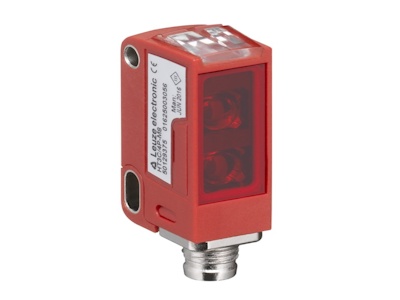
В современном мире точные измерения природных явлений играют ключевую роль в множестве отраслей, от метеорологии до промышленности. Среди таких измерений особое место занимает мониторинг ветра — его скорости и направления. Высокоточные датчики ветра представляют собой передовые технологические решения, которые обеспечивают надежные и точные данные, необходимые для принятия важных решений. В этой статье мы подробно исследуем преимущества этих устройств, их применение, технические особенности и влияние на различные сферы жизни. Мы начнем с общего обзора, затем углубимся в детали, включая исторический контекст, современные технологии, сравнительный анализ, и завершим выводами о будущем развитии.
Ветер — это одно из самых динамичных и влиятельных природных явлений на Земле. Его изучение насчитывает тысячелетия, начиная с древних времен, когда люди использовали простые флюгеры для определения направления. Однако с развитием технологий потребность в более точных измерениях возросла. Сегодня высокоточные датчики скорости и направления ветра являются неотъемлемой частью метеорологических станций, авиации, морского судоходства, энергетики и многих других областей. Их основное преимущество заключается в способности предоставлять данные с минимальной погрешностью, что позволяет прогнозировать погоду, оптимизировать процессы и повышать безопасность. Актуальность темы обусловлена растущим вниманием к изменению климата, развитием возобновляемой энергетики и необходимостью улучшения промышленной эффективности. Например, в ветроэнергетике точные данные о ветре напрямую влияют на выработку электроэнергии и окупаемость инвестиций. Таким образом, понимание преимуществ этих датчиков становится crucial для профессионалов и энтузиастов alike.
История измерения ветра уходит корнями в глубокую древность. Первые устройства, такие как флюгеры, появились еще в Древней Греции и Китае, где они использовались для сельского хозяйства и навигации. Эти простые инструменты могли указывать лишь приблизительное направление ветра, но не его скорость. С развитием науки в эпоху Возрождения, ученые like Леонардо да Винчи и Галилео Галилей начали экспериментировать с более сложными механизмами. В XIX веке, с Industrial Revolution, появились первые анемометры — устройства для измерения скорости ветра, основанные на механических принципах, таких как вращающиеся чашки или пропеллеры. Однако эти early модели страдали от низкой точности и susceptibility to environmental factors like ice or dust. К середине XX века, с advent of electronics, датчики ветра стали более sophisticated, incorporating sensors based on ultrasonic or thermal principles. Сегодня high-precision датчики используют advanced технологии, including laser Doppler anemometers and ultrasonic sensors, которые обеспечивают accuracy до 0.1 m/s для скорости и 1 degree для направления. Эта эволюция highlights how technological progress has dramatically improved the reliability and applications of wind sensors, making them indispensable in modern society.
Высокоточные датчики скорости и направления ветра обладают рядом технических преимуществ, которые делают их superior to traditional models. Во-первых, они обеспечивают exceptional accuracy. Например, ultrasonic датчики используют time-of-flight measurements между sensors to calculate wind speed and direction with minimal error, often less than 2% for speed and 3 degrees for direction. This is crucial in applications like aviation, where even small inaccuracies can lead to safety issues. Во-вторых, these sensors offer high reliability and durability. They are designed to withstand harsh environmental conditions, such as extreme temperatures, humidity, and corrosion, thanks to materials like stainless steel and protective coatings. Additionally, they have low maintenance requirements, as they lack moving parts that can wear out over time. Thirdly, high-precision sensors provide fast response times, capable of updating data in real-time, which is essential for dynamic environments like weather forecasting or wind farm management. Fourthly, они often come with integrated data logging and communication capabilities, allowing for seamless integration with IoT systems and remote monitoring. This enables users to access data from anywhere, enhancing operational efficiency. Finally, these sensors are energy-efficient, consuming minimal power, which is beneficial for battery-operated installations in remote areas. Overall, the technical advantages contribute to their widespread adoption across various industries.
В метеорологии и климатологии высокоточные датчики ветра играют pivotal role. Они используются в weather stations worldwide to collect data for forecasting, research, and climate monitoring. Accurate wind measurements help predict storms, hurricanes, and other severe weather events, enabling early warnings and saving lives. For instance, in hurricane tracking, precise data on wind speed and direction allow meteorologists to model the path and intensity of the storm, providing valuable time for evacuation and preparedness. In climatology, long-term wind data collected from these sensors contribute to understanding climate patterns, such as the effects of global warming on wind regimes. This information is vital for policymakers and scientists working on climate change mitigation. Moreover, high-precision sensors are employed in atmospheric research, studying phenomena like jet streams, turbulence, and air pollution dispersion. Their ability to provide reliable data under various conditions makes them indispensable tools. Additionally, they are used in agricultural meteorology to optimize irrigation and crop management based on wind conditions. The integration of these sensors with satellite and radar systems further enhances the accuracy of weather models, demonstrating their critical importance in safeguarding society and the environment.
В энергетике, и specifically в ветроэнергетике, высокоточные датчики ветра являются cornerstone of efficiency and profitability. Wind turbines rely on accurate wind data to operate optimally. The sensors measure wind speed and direction at the turbine hub height, allowing for yaw control—adjusting the turbine to face the wind directly—which maximizes energy capture. Even a small improvement in accuracy can lead to significant increases in power output; studies show that a 1% reduction in measurement error can boost annual energy production by up to 2%. This directly impacts the return on investment for wind farm operators. Furthermore, these sensors help in site assessment during the planning phase, ensuring that turbines are placed in locations with the best wind resources. They also aid in predictive maintenance by monitoring wind conditions that could cause wear and tear, thus reducing downtime and costs. In addition to wind energy, high-precision wind sensors are used in other renewable energy sectors, such as solar power, where wind affects cooling and efficiency of panels. They also play a role in traditional power plants for monitoring emissions dispersion. Overall, the advantages in energy sector include enhanced efficiency, cost savings, and support for the transition to sustainable energy sources.
В авиации и морском судоходстве безопасность зависит от точных данных о ветре. Высокоточные датчики установлены в airports on runways and towers to provide real-time wind information for takeoff and landing operations. Incorrect wind measurements can lead to accidents, such as runway excursions or difficult landings. For example, crosswinds require pilots to adjust their approach, and accurate data ensures they can do so safely. In aviation, these sensors are part of the Integrated Airport Weather System, contributing to overall air traffic management. Similarly, in maritime navigation, wind sensors on ships and at ports help in route planning, avoiding storms, and optimizing fuel consumption by utilizing favorable winds. They are also used in sailing and yacht racing for performance optimization. The reliability of these sensors in harsh marine environments, resistant to saltwater corrosion, is a key advantage. Additionally, in search and rescue operations, wind data aids in predicting the drift of objects or persons in water, improving success rates. The integration with GPS and other navigation systems enhances situational awareness, making high-precision wind sensors essential for safety and efficiency in transportation sectors.
В промышленности и строительстве высокоточные датчики ветра находят diverse applications. In construction, they are used to monitor wind conditions on high-rise buildings or bridges, ensuring worker safety during operations like crane lifts. Strong winds can cause accidents, and real-time data allows for work stoppages when conditions become hazardous. In industrial settings, these sensors are employed in environmental monitoring, such as measuring wind for dispersion of pollutants from factories, helping companies comply with regulations and minimize environmental impact. They are also used in agriculture for precision farming, where wind affects pesticide spraying and irrigation systems. In the manufacturing sector, wind sensors can be part of quality control processes, for instance, in industries like aerospace or automotive, where wind tunnels test aerodynamics. The accuracy of these sensors ensures that tests are reliable and reproducible. Moreover, in urban planning, wind data helps design cities to mitigate wind effects on buildings and improve comfort. The versatility and precision of high-precision wind sensors make them valuable tools across various industrial domains, enhancing safety, compliance, and efficiency.
В области экологии и охраны окружающей среды высокоточные датчики ветра contribute significantly to monitoring and protection efforts. They are used to track air quality by measuring wind patterns that disperse pollutants, helping identify sources of contamination and assess health risks. For example, in urban areas, these sensors provide data for air quality indexes, informing public health advisories. In wildlife conservation, wind data aids in studying animal migrations and behaviors influenced by wind conditions. Additionally, in forest fire management, accurate wind measurements are critical for predicting fire spread and planning containment strategies, potentially saving ecosystems and properties. The sensors are also deployed in renewable energy projects to ensure minimal environmental impact, such as assessing bird collisions with wind turbines. By providing reliable data, high-precision wind sensors support sustainable practices and regulatory compliance. Furthermore, they play a role in climate research, helping scientists understand how wind changes affect ecosystems and carbon cycles. This underscores their importance in global efforts to preserve the environment and combat climate change, making them indispensable for a greener future.
При сравнении высокоточных датчиков ветра с традиционными моделями, такими как mechanical анемометры, очевидны numerous advantages. Traditional sensors often rely on moving parts, which are prone to wear, ice accumulation, and mechanical failures, leading to reduced accuracy over time. In contrast, high-precision sensors, especially ultrasonic or laser-based ones, have no moving parts, offering greater reliability and longevity. They also provide higher accuracy; for instance, mechanical sensors might have errors of up to 5% in speed and 10 degrees in direction, whereas high-precision ones can achieve errors below 2% and 3 degrees. Additionally, traditional sensors may require frequent calibration and maintenance, increasing operational costs, while modern sensors often feature self-calibration and low maintenance needs. In terms of response time, high-precision sensors update data faster, essential for real-time applications. However, traditional sensors are generally cheaper and simpler, making them suitable for basic applications where extreme accuracy is not critical. But for advanced needs, the investment in high-precision sensors pays off through improved performance and reduced downtime. This comparative analysis highlights why industries are increasingly adopting high-precision technologies for better outcomes.
Инвестиции в высокоточные датчики ветра offer substantial economic benefits across various sectors. In wind energy, the improved accuracy leads to higher energy production, directly increasing revenue. For example, a wind farm using high-precision sensors might see a 2-5% boost in annual output, which can translate to millions of dollars in additional income over the lifespan of the project. In aviation, the enhanced safety reduces the risk of accidents, saving costs associated with delays, repairs, and insurance claims. In agriculture, better wind data optimizes resource use, lowering input costs and increasing crop yields. The initial cost of these sensors is higher than traditional ones, but the long-term savings from reduced maintenance, higher efficiency, and avoided losses make them cost-effective. Additionally, in environmental compliance, accurate monitoring helps avoid fines and reputational damage. The return on investment (ROI) can be calculated based on specific applications; for instance, in meteorology, the value of accurate forecasts can prevent economic losses from weather-related disasters. Overall, the economic advantages justify the adoption of high-precision wind sensors, contributing to sustainable growth and profitability.
Будущее высокоточных датчиков ветра looks promising with ongoing innovations. Trends include the integration of artificial intelligence (AI) and machine learning for predictive analytics, enabling even more accurate forecasts and adaptive control systems. For example, AI algorithms can analyze wind data in real-time to optimize energy production in wind farms dynamically. Another trend is the miniaturization of sensors, making them more affordable and accessible for personal use, such as in smartphones or wearable devices for outdoor activities. The development of wireless and IoT-enabled sensors will enhance connectivity, allowing for vast networks of sensors that provide comprehensive wind maps. Additionally, advances in materials science may lead to sensors that are even more durable and resistant to extreme conditions. In terms of applications, we can expect expanded use in smart cities for urban wind management and in space exploration for monitoring atmospheric conditions on other planets. The push towards sustainability will drive further adoption in renewable energy and environmental monitoring. These innovations will continue to amplify the advantages of high-precision wind sensors, making them integral to future technological landscapes.
В заключение, высокоточные датчики скорости и направления ветра offer myriad advantages that span technical, economic, and environmental domains. Their accuracy, reliability, and versatility make them essential in meteorology, energy, transportation, industry, and ecology. By providing precise data, they enhance safety, efficiency, and sustainability across applications. The evolution from simple mechanical devices to advanced electronic sensors demonstrates the significant progress in technology, and future innovations promise even greater benefits. Investing in these sensors not only improves operational outcomes but also supports global efforts towards a safer and greener world. As we face challenges like climate change and energy transition, the role of high-precision wind sensors will only grow in importance. Therefore, understanding and leveraging their advantages is crucial for professionals and societies alike, ensuring that we harness the power of wind to its fullest potential.
Предыдущая статья: Почему современные дождемеры превосходят традиционные модели
Следующий пост: Устройство для мониторинга солнечного излучения которое изменит вашу жизнь

 1388xx888xx