
2025-12-11 04:01:10
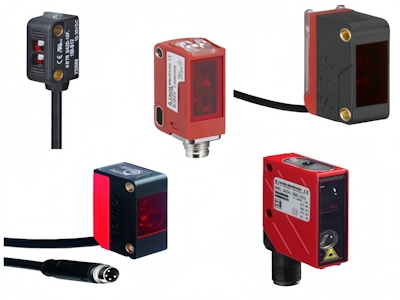
В современном мире, где технологии стремительно развиваются, вопрос выбора между цифровыми и аналоговыми устройствами становится все более актуальным, особенно в таких областях, как метеорология и мониторинг окружающей среды. Сенсоры ветра играют ключевую роль в этих сферах, предоставляя данные о скорости и направлении ветра, которые используются для прогнозирования погоды, управления энергетическими системами, обеспечения безопасности авиации и многих других применений. В этой статье мы подробно рассмотрим преимущества цифровых сенсоров ветра по сравнению с их аналоговыми аналогами, анализируя такие аспекты, как точность измерений, энергоэффективность, устойчивость к помехам, возможности интеграции и долгосрочная экономическая выгода.
Аналоговые сенсоры ветра существуют уже несколько десятилетий и основаны на механических или электронных принципах, где сигналы передаются в непрерывной форме. Они часто используют потенциометры, анемометры с чашками или лопастями, и их выходные сигналы обычно представлены в виде напряжения или тока, пропорциональных измеряемым параметрам. Эти устройства доказали свою надежность в прошлом, но с появлением цифровых технологий их limitations становятся все более очевидными.
Цифровые сенсоры ветра, с другой стороны, используют микропроцессоры и цифровые сигнальные процессоры для преобразования аналоговых данных в цифровую форму. Это позволяет осуществлять более точные измерения, обработку данных в реальном времени и seamless интеграцию с современными системами. В этой статье мы углубимся в детали, чтобы показать, почему цифровые сенсоры представляют собой значительный шаг вперед.
Одним из наиболее важных преимуществ цифровых сенсоров ветра является их высокая точность. Аналоговые датчики подвержены различным ошибкам, таким как дрейф нуля, нелинейность и влияние температуры, которые могут искажать результаты. Например, в аналоговом анемометре механические компоненты могут изнашиваться со временем, приводя к снижению точности. Цифровые сенсоры, благодаря встроенной калибровке и алгоритмам коррекции, минимизируют эти ошибки. Они используют высокоточные АЦП (аналого-цифровые преобразователи) для оцифровки сигналов, что позволяет достигать разрешения до 0.1 м/с по скорости ветра и 1 градуса по направлению. Это особенно критично в applications, где даже небольшие погрешности могут иметь серьезные последствия, такие как в авиации или энергетике.
Кроме того, цифровые сенсоры often включают функции самодиагностики, которые автоматически detect и补偿 potential issues, further enhancing reliability. В contrast, аналоговые devices require regular manual calibration, which can be time-consuming and prone to human error.
Цифровые сенсоры ветра typically consume less power compared to their analog counterparts. This is because они используют low-power microcontrollers and can operate in sleep modes when not actively measuring, reducing overall energy consumption. For example, многие digital sensors designed for remote or battery-powered applications, such as weather stations in isolated areas, can run for months or even years on a single battery. Analog sensors, with their continuous analog circuits, often draw more current, leading to shorter battery life and higher operational costs. This energy efficiency not only saves resources but also reduces the environmental impact, making digital sensors a more sustainable choice.
Another key advantage is the immunity to electromagnetic interference (EMI). Analog signals are susceptible to noise from nearby electrical equipment, power lines, or other sources, which can corrupt the data. Digital sensors, by transmitting data in digital form (e.g., via protocols like I2C, SPI, or Modbus), are much more resistant to such interference. Error-checking algorithms, such as CRC (Cyclic Redundancy Check), can be implemented to ensure data integrity. This makes digital sensors ideal for industrial environments or urban areas where EMI is common. In contrast, analog sensors may require shielding or additional filtering, adding complexity and cost.
Цифровые сенсоры легко интегрируются в современные системы мониторинга и управления. Они can communicate directly with microcontrollers, PCs, or cloud platforms using standard digital interfaces, enabling real-time data logging, remote monitoring, and automation. For instance, in a smart city application, digital wind sensors can feed data into a central system for traffic management or renewable energy optimization. Analog sensors, on the other hand, often need additional hardware like analog-to-digital converters (ADCs) to interface with digital systems, which adds latency and cost. The plug-and-play nature of digital sensors simplifies installation and maintenance.
Хотя initial cost of digital sensors might be higher than analog ones, their long-term economic benefits are significant. Reduced maintenance due to fewer calibration needs, lower power consumption, and higher reliability lead to lower total cost of ownership. Additionally, the ability to upgrade firmware or software allows for future-proofing, whereas analog sensors are fixed in their functionality. This makes digital sensors a wise investment for organizations looking to scale or adapt to changing technologies.
Digital sensors contribute to environmental sustainability through their energy efficiency and potential for recycling electronic components. They align with global trends towards green technology and reduced carbon footprints. Analog sensors, with higher energy demands and often containing more hazardous materials, may have a larger environmental impact over their lifecycle.
To illustrate these advantages, consider a case study from the meteorological industry. A weather station upgraded from analog to digital wind sensors reported a 20% improvement in data accuracy and a 30% reduction in energy costs. In another example, an aviation company using digital sensors for wind shear detection enhanced safety by providing more reliable real-time alerts. These real-world applications underscore the tangible benefits of digital technology.
В заключение, цифровые сенсоры ветра предлагают numerous преимущества over analog analogs, including higher accuracy, better energy efficiency, superior immunity to interference, easier integration, and long-term economic savings. As technology continues to advance, the adoption of digital sensors will likely become the standard in various industries, driving innovation and improving outcomes. For anyone involved in wind monitoring, investing in digital technology is not just a choice but a necessity for future success.
This article has covered the key aspects, but it's important to note that the choice between analog and digital may still depend on specific applications and budgets. However, the trend is clear: digital is the way forward. We encourage readers to evaluate their needs and consider upgrading to digital sensors for enhanced performance and sustainability.
Предыдущая статья: Цифровой дождемер Точный мониторинг осадков в реальном времени
Следующий пост: Почему современные дождемеры превосходят традиционные модели

 1388xx888xx