
2025-12-11 20:01:10
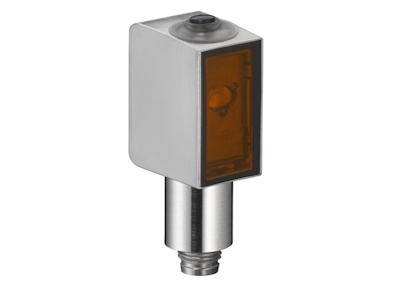
В современном мире, где забота о здоровье становится все более приоритетной, многие люди начинают обращать внимание на такие аспекты, как защита от солнечного излучения. Солнечный радиометр – это прибор, который позволяет измерять интенсивность солнечного излучения, включая ультрафиолетовые (УФ) лучи, и он может стать незаменимым помощником для домашнего использования. В этой статье мы подробно рассмотрим, как выбрать подходящий солнечный радиометр, почему это важно, и какие факторы следует учитывать при покупке. Мы обсудим ключевые параметры, бренды, практические советы и многое другое, чтобы помочь вам сделать осознанный выбор.
Солнечное излучение – это неотъемлемая часть нашей жизни. Оно необходимо для синтеза витамина D, улучшения настроения и общего благополучия. Однако избыток УФ-излучения может привести к серьезным проблемам со здоровьем, таким как солнечные ожоги, преждевременное старение кожи и даже рак кожи. По данным Всемирной организации здравоохранения (ВОЗ), ежегодно регистрируются миллионы случаев заболеваний, связанных с УФ-излучением. Поэтому умение контролировать уровень солнечной радиации становится критически важным, особенно для семей с детьми, пожилыми людьми или теми, кто проводит много времени на открытом воздухе.
Солнечный радиометр – это компактное устройство, которое измеряет интенсивность солнечного излучения в реальном времени. Он может показывать УФ-индекс, который является стандартизированным показателем уровня УФ-излучения. Используя такой прибор дома, вы можете:
В этой статье мы углубимся в детали выбора солнечного радиометра, начиная с основ работы прибора и заканчивая практическими рекомендациями по использованию. Мы также рассмотрим различные типы радиометров, их преимущества и недостатки, и как интегрировать их в повседневную жизнь.
Прежде чем переходить к выбору радиометра, важно понять, что такое солнечное излучение и как оно измеряется. Солнечный свет состоит из различных типов излучения, включая видимый свет, инфракрасное излучение и ультрафиолетовое (УФ) излучение. УФ-излучение делится на три категории: UVA, UVB и UVC. UVC почти полностью поглощается озоновым слоем и не достигает поверхности Земли, поэтому основное внимание уделяется UVA и UVB.
УФ-индекс – это международный стандарт для измерения интенсивности УФ-излучения. Шкала обычно ranges от 0 до 11+:
Солнечный радиометр измеряет УФ-индекс с помощью датчиков, которые detect УФ-лучи и convert их в электрические сигналы. Эти сигналы then processed to display the reading on a screen. Accuracy зависит от качества датчика и calibration прибора.
Для домашнего использования, радиометры обычно portable и easy to use. Они могут быть analog или digital, с дополнительными features, такими как Bluetooth connectivity для синхронизации с smartphone apps. Это позволяет not only measure current conditions but also track historical data for better insights.
При выборе солнечного радиометра для домашнего использования, следует учитывать несколько ключевых параметров. Эти factors помогут вам найти прибор, который соответствует вашим needs и budget.
Точность – это самый важный аспект любого измерительного прибора. Солнечный радиометр должен обеспечивать reliable measurements УФ-индекса. Look for devices that are calibrated according to international standards, such as those from the World Health Organization or national meteorological agencies. Accuracy обычно expressed as a percentage error; for home use, a device with an error of less than 10% is generally acceptable. Проверьте отзывы пользователей и independent reviews to assess real-world performance.
На точность могут влиять factors like sensor quality, environmental conditions (e.g., humidity, temperature), and how the device is used. Например, if the sensor is dirty or not properly exposed to sunlight, readings may be inaccurate. Поэтому choose a radiometer with a durable sensor and easy maintenance.
Убедитесь, что радиометр может измерять УФ-индекс в range, relevant for your location. In most regions, УФ-индекс rarely exceeds 12, so a device that measures up to 15 or 20 is sufficient. However, if you live in areas with extreme sun exposure, such as near the equator or at high altitudes, consider a device with a higher range. Additionally, some radiometers can measure other parameters, such as visible light intensity or temperature, which might be useful for comprehensive monitoring.
Для домашнего использования, удобство reading the display is crucial. Digital displays are common and easy to read, often with backlight for low-light conditions. Analog devices might be cheaper but less precise. Look for a clear, large display that shows the УФ-индекс prominently. Some devices offer additional features like color-coded indicators (e.g., green for low, red for high risk) or auditory alerts for high UV levels, which can be helpful for quick assessments.
Если вы tech-savvy, consider radiometers with Bluetooth or WiFi connectivity. These allow you to sync data with smartphone apps, where you can view trends, set alerts, and even share information with family members. Apps often provide educational content on sun safety, enhancing the overall utility of the device.
Since you'll be using the radiometer at home or on the go, portability is key. Choose a compact, lightweight device that is easy to carry. Some models are designed as handheld units, while others can be mounted on windows or outdoors for continuous monitoring. Consider the build quality – it should be durable enough to withstand occasional drops or exposure to elements if used outside.
Design also matters for aesthetics. If you plan to keep the radiometer in a visible place at home, select a model that blends with your decor. Water resistance or IP rating can be a bonus if you intend to use it near pools or beaches.
Most solar radiometers are battery-powered, typically using AAA or coin cell batteries. Check the battery life – devices with low power consumption can last for months or even years without replacement. Some models have solar panels that charge the battery, which is eco-friendly and convenient. Alternatively, USB-powered devices offer flexibility for indoor use. Ensure that the power source is reliable and easy to replace.
Цены на солнечные радиометры vary widely, from affordable models under $20 to high-end devices over $100. Set a budget based on your needs. For basic home use, a mid-range device around $30-$50 often provides good accuracy and features. Reputable brands like La Crosse Technology, AcuRite, or Davis Instruments offer reliable products with warranties and customer support. Avoid unknown brands unless they have positive reviews.
Consider the cost of ownership, including battery replacements or app subscriptions if applicable. Sometimes, spending a bit more upfront can save money in the long run due to better durability and accuracy.
Many modern radiometers come with extra features that enhance usability. For example:
Evaluate whether these features are necessary for you. If you're using the radiometer primarily for quick checks, simplicity might be better. But if you want to monitor trends or use it for family safety, additional features can be valuable.
Once you've chosen a radiometer, proper usage is essential to get accurate results and maximize benefits. Here are some practical tips:
Хотя большинство радиометров поставляются предварительно откалиброванными, рекомендуется periodically check accuracy. You can do this by comparing readings with reliable sources, such as local weather reports or online UV index maps from meteorological services. If possible, calibrate the device according to the manufacturer's instructions, especially after long periods of non-use or if it has been dropped.
By using the radiometer consistently, you can develop habits that reduce the risk of sun-related health issues. It's also a great tool for raising awareness about environmental factors affecting health.
To help you make an informed choice, let's look at some popular solar radiometers available on the market. This is not an exhaustive list, but it covers a range of options for different needs and budgets.
This is a budget-friendly option that measures UV index and temperature. It features a digital display with color-changing background to indicate risk levels (e.g., blue for low, red for high). It's portable and easy to use, making it suitable for basic home monitoring. Accuracy is decent for its price, but it may not have advanced features like data logging.
AcuRite offers a reliable radiometer that measures UV index, light intensity, and temperature. It has a sleek design and can be used indoors or outdoors. The device includes a stand for tabletop use and is powered by batteries. It's known for good accuracy and durability, with positive user reviews.
For those willing to invest more, Davis Instruments provides professional-grade weather stations that include UV sensors. The Vantage Vue model offers comprehensive weather data, including UV index, and can connect to a console or app for detailed analysis. It's highly accurate but more expensive and better suited for enthusiasts or families serious about monitoring.
Brands like Netatmo or Withings offer radiometers that sync with apps via Bluetooth. These devices provide real-time data on your phone, along with historical trends and alerts. They are ideal for tech-savvy users who want integrated health monitoring. However, they might require a subscription for full features.
When choosing a model, read customer reviews and check for warranty information. Consider your specific needs – for example, if you travel often, a portable device like the La Crosse UVS300 might be best. If you want detailed data, opt for a connected model.
Выбор солнечного радиометра для домашнего использования – это важный шаг towards protecting yourself and your family from the harmful effects of UV radiation. By considering factors like accuracy, range, display type, portability, power source, price, and additional features, you can find a device that fits your lifestyle. Remember that the goal is not just to measure UV levels but to use that information to adopt safer sun habits.
Investing in a good radiometer can lead to long-term health benefits, reducing the risk of skin cancer and other sun-related issues. Start with a basic model if you're new to this, and upgrade as needed. Share your knowledge with others – sun safety is a collective effort.
In summary, a solar radiometer is a valuable tool for modern homes. Embrace technology to enhance your well-being and enjoy the sun responsibly. If you have any questions or need further assistance, consult with healthcare professionals or refer to resources from organizations like the WHO.
Спасибо за чтение, и пусть ваши дни будут наполнены безопасным солнцем!
Предыдущая статья: Дождевые сенсоры ключ к умному сельскому хозяйству будущего
Следующий пост: откройте мир точных измерений с новым дождемером

 1388xx888xx