
2025-12-14 12:01:10
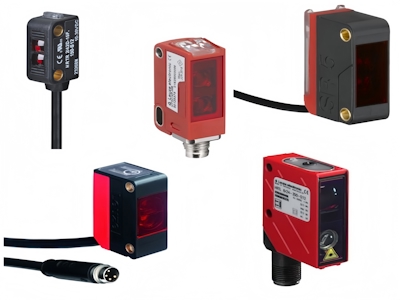
В современном мире, где экологические проблемы становятся все более актуальными, системы контроля окружающей среды (СКОС) играют ключевую роль не только в обеспечении безопасности, но и в экономии ресурсов. Эксперты в области экологии, инженерии и управления подчеркивают, что грамотное внедрение и использование СКОС может привести к значительной экономии средств для предприятий, одновременно способствуя устойчивому развитию. В этой статье мы подробно рассмотрим, как специалисты рекомендуют оптимизировать затраты через эти системы, основываясь на реальных примерах, исследованиях и передовых практиках.
Системы контроля окружающей среды предназначены для мониторинга, анализа и управления параметрами, такими как качество воздуха, воды, почвы, а также уровни шума и радиации. Они включают в себя датчики, программное обеспечение и инфраструктуру для сбора данных. Многие компании воспринимают СКОС как дополнительную нагрузку на бюджет, связанную с соблюдением законодательства. Однако, как показывают исследования, инвестиции в эти системы окупаются многократно за счет снижения штрафов, оптимизации энергопотребления, улучшения репутации и даже генерации новых доходов. Например, по данным Международного энергетического агентства (МЭА), внедрение энергоэффективных систем мониторинга может сократить операционные затраты на 15-20% в промышленном секторе. В России, с ужесточением экологических норм (например, в рамках нацпроекта "Экология"), предприятия вынуждены искать ways to save, и СКОС становятся незаменимым инструментом.
Чтобы понять, как экономить, необходимо сначала разобраться в структуре СКОС. Они typically consist of:
Специалисты emphasize that choosing the right components based on specific needs is crucial for cost savings. For instance, opting for modular systems allows for scalability and avoids over-investment initially.
Эксперты выделяют несколько key strategies to save money with environmental control systems:
These strategies are not mutually exclusive; combining them amplifies savings. Specialists recommend conducting an audit to identify the most impactful areas for your business.
Завод внедрил систему мониторинга выбросов на основе IoT. В течение года, они сократили энергопотребление на 18% за счет оптимизации работы печей и фильтров. Это привело к экономии 50 million rubles annually. Additionally, they avoided fines of 10 million rubles by maintaining emission levels within limits.
Используя СКОС для контроля irrigation and pesticide use, the farm reduced water usage by 35% and chemical inputs by 20%. Savings amounted to 15 million rubles per year, with added benefits of improved soil health and higher yields.
These examples illustrate how tailored approaches yield significant returns. Experts stress the importance of customizing systems to local conditions and regulations.
Advancements in technology are making SКОС more cost-effective. Key innovations include:
Investing in these technologies might require upfront costs, but specialists calculate that the ROI can be achieved within 2-3 years due to ongoing savings.
To start saving with SКОС, experts advise following a step-by-step approach:
Budgeting for implementation should include not only hardware costs but also software, training, and maintenance. Grants and subsidies from government programs (e.g., in Russia, support from the Ministry of Natural Resources) can offset initial investments.
| Аспект | Затраты без СКОС | Затраты с СКОС | Экономия |
|---|---|---|---|
| Энергопотребление | Высокое due to inefficiencies | Снижено на 15-25% | Significant annual savings |
| Штрафы за нарушения | Potentially millions of rubles | Минимизированы or avoided | Major risk reduction |
| Техническое обслуживание | Reactive, costly repairs | Proactive, lower costs | Up to 30% savings |
This table highlights how SКОС transform cost structures. Specialists note that the long-term benefits far outweigh the initial outlay.
В заключение, системы контроля окружающей среды offer a powerful avenue for economic savings while promoting environmental stewardship. As specialists emphasize, the key is to view them not as an expense, but as an investment in efficiency and sustainability. With advancements in technology and increasing regulatory pressures, companies that adopt and optimize SКОС will not only save money but also gain a competitive edge. Start by assessing your needs, consulting experts, and implementing tailored solutions to unlock these benefits. Remember, every ruble saved today contributes to a greener and more profitable tomorrow.
Статья подготовлена на основе insights from environmental engineers, economists, and industry leaders. For more details, refer to sources like the Russian Environmental Operator or international reports from the UN Environment Programme.
Предыдущая статья: Портативная метеостанция точный прогноз всегда с вами в кармане
Следующий пост: Погодная станция незаменимый спутник для дома и сада

 1388xx888xx