
2025-12-17 12:01:10
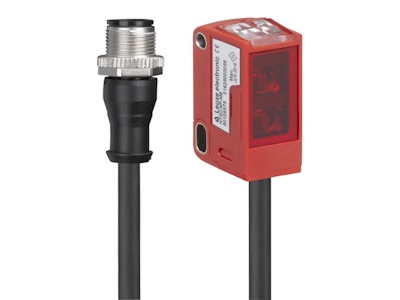
Введение: В современном мире точность измерений играет ключевую роль практически во всех сферах человеческой деятельности. От промышленного производства до медицинских исследований, от научных экспериментов до повседневных бытовых приборов — везде требуется высокая степень достоверности данных. Однако оборудование, используемое для измерений, не является идеальным и со временем может терять свою точность из-за различных факторов, таких как износ, воздействие окружающей среды или простое старение. Именно здесь на помощь приходит регулярная калибровка — процесс, который не только подтверждает, но и восстанавливает точность измерительных приборов. В этой статье мы подробно рассмотрим, почему регулярная калибровка оборудования критически важна для обеспечения точности измерений, и как она влияет на качество, безопасность и эффективность в различных отраслях.
Прежде всего, давайте определим, что такое калибровка. Калибровка — это сравнение показаний измерительного прибора с эталонным стандартом для определения и, при необходимости, корректировки его погрешностей. Это не просто формальная процедура, а фундаментальный процесс, который гарантирует, что измерения соответствуют международным или национальным стандартам, таким как ISO или ГОСТ. Без регулярной калибровки даже самый дорогой и современный прибор может выдавать некорректные данные, что может привести к серьёзным последствиям, включая финансовые потери, нарушения безопасности или даже угрозу жизни.
Одной из основных причин, почему калибровка так важна, является обеспечение качества продукции. В промышленности, например, производственные линии rely on precise measurements to maintain consistency and meet specifications. Imagine a scenario in the automotive industry where a torque wrench used to tighten bolts is not calibrated. Over time, it might apply too much or too little force, leading to defective parts that could cause accidents. Regular calibration ensures that all tools and instruments are operating within acceptable tolerances, thus safeguarding product quality and reducing waste. This not only enhances customer satisfaction but also helps companies avoid costly recalls and legal issues.
Moreover, in the medical field, the stakes are even higher. Medical devices such as blood pressure monitors, thermometers, and imaging equipment must provide accurate readings to ensure proper diagnosis and treatment. A miscalibrated device could lead to misdiagnosis, incorrect medication dosages, or even fatal errors. For instance, in radiology, a slight deviation in the calibration of an X-ray machine can result in overexposure or underexposure, harming patients or providing misleading images. Therefore, healthcare facilities adhere to strict calibration schedules as part of accreditation standards like those from Joint Commission International, emphasizing that human lives depend on the reliability of these measurements.
In scientific research, precision is paramount. Experiments often involve sensitive measurements that can influence conclusions and advancements. A poorly calibrated instrument in a physics lab, for example, might skew data on particle behavior, leading to erroneous theories. Similarly, in environmental monitoring, instruments measuring air quality or water pollution must be calibrated regularly to provide accurate data for policy-making and public health. The integrity of scientific discoveries hinges on the trustworthiness of the tools used, making calibration a non-negotiable aspect of the research process.
Another critical aspect is regulatory compliance. Many industries are governed by laws and standards that mandate regular calibration. For example, in the food and beverage sector, scales and thermometers must be calibrated to ensure compliance with safety regulations like HACCP (Hazard Analysis Critical Control Point). Failure to do so can result in fines, shutdowns, or loss of certification. In aviation, navigation and communication equipment undergo rigorous calibration to meet FAA or EASA requirements, ensuring flight safety. By adhering to these standards, organizations not only avoid penalties but also build trust with stakeholders and consumers.
Economic benefits also underscore the importance of calibration. While it might seem like an additional cost, regular calibration actually saves money in the long run. Uncalibrated equipment can lead to production errors, increased scrap rates, and downtime. For instance, in manufacturing, a miscalibrated sensor might cause machines to operate inefficiently, consuming more energy or producing subpar goods. By maintaining accuracy through calibration, companies optimize processes, reduce waste, and extend the lifespan of their equipment. This proactive approach minimizes unexpected failures and repair costs, contributing to overall operational efficiency.
Furthermore, calibration enhances safety. In hazardous environments, such as chemical plants or construction sites, instruments that measure pressure, temperature, or gas levels must be precise to prevent accidents. A miscalibrated gas detector might fail to alert workers to toxic leaks, leading to health hazards or explosions. Regular calibration ensures that safety devices function correctly, protecting both personnel and assets. This is why occupational safety standards, like OSHA in the United States, often include calibration requirements as part of their guidelines.
The process of calibration itself involves several steps. It typically begins with selecting a traceable reference standard, which is calibrated against a higher-level standard to ensure accuracy. Technicians then compare the device under test to this reference, document any deviations, and adjust the device if possible. Modern calibration often uses automated systems and software for efficiency and accuracy. For example, in electronics, calibration might involve using signal generators and oscilloscopes to verify performance. The frequency of calibration depends on factors like the instrument's usage, environment, and manufacturer recommendations, but it is generally recommended to perform it annually or as specified by standards.
Challenges in calibration include the cost and time involved, especially for complex equipment. However, advancements in technology, such as remote calibration and IoT-enabled devices, are making it more accessible. These innovations allow for real-time monitoring and predictive maintenance, reducing the need for frequent physical checks. Despite these improvements, the human element remains crucial—trained professionals are essential to interpret results and ensure compliance.
In conclusion, regular calibration of equipment is not merely a technical formality but a critical practice that underpins accuracy, quality, safety, and compliance across industries. It safeguards against errors that could have far-reaching consequences, from financial losses to life-threatening situations. By investing in a robust calibration program, organizations demonstrate their commitment to excellence and reliability. As technology continues to evolve, the importance of calibration will only grow, making it an indispensable part of modern measurement systems. Remember, in a world driven by data, accuracy is everything—and calibration is the key to maintaining it.
Для дальнейшего углубления в тему, рекомендуется обращаться к профессиональным метрологическим службам и следить за обновлениями стандартов, таких как ISO 9001 для управления качеством. Регулярная калибровка — это инвестиция в будущее, которая окупается многократно через повышение эффективности и снижение рисков.
Предыдущая статья: Измените свое представление о контроле влажности с нашими датчиками
Следующий пост: Почему цифровые датчики влажности стали незаменимыми в современной жизни

 1388xx888xx