
2025-12-23 04:01:10
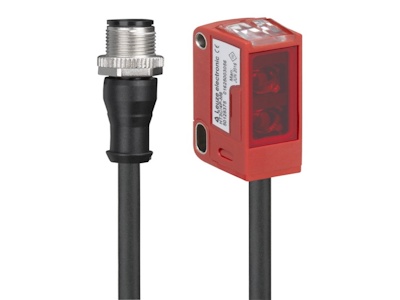
Добро пожаловать в мир современных метеорологических инструментов! Вы когда-нибудь задумывались, как именно измеряют скорость ветра? Или, возможно, вы слышали термин "цифровой анемометр", но не совсем понимаете, что это такое и как он функционирует? В этой статье мы погрузимся в детали этого удивительного устройства, ответим на все ваши вопросы и развеем любые сомнения. Цифровой анемометр — это не просто прибор; это ключ к пониманию погодных явлений, безопасности в авиации, строительстве и многих других областях. Давайте начнём наше путешествие в мир измерения ветра!
Цифровой анемометр — это электронное устройство, предназначенное для измерения скорости и иногда направления ветра. В отличие от традиционных механических анемометров, которые используют чашечные или крыльчатые механизмы, цифровые версии оснащены сенсорами и микропроцессорами, что позволяет получать точные данные в цифровом формате. Но почему это так важно? Представьте себе: вы пилот, готовящийся к взлёту, или инженер, проектирующий высотное здание. Точное знание скорости ветра может спасти жизни и предотвратить катастрофы. Цифровые анемометры стали незаменимыми в современном мире благодаря своей надёжности, точности и простоте использования.
История анемометров насчитывает века. Первые устройства, такие как чашечный анемометр, изобретённый в 1846 году, были чисто механическими. Они работали на основе вращения чашек под действием ветра, и их показания считывались визуально. Однако с развитием технологий в XX веке появились электронные версии. Цифровые анемометры начали массово производиться в 1980-х годах с внедрением микропроцессоров и датчиков. Сегодня они используются повсеместно: от метеостанций до смартфонов, где приложения могут измерять ветер с помощью встроенных датчиков.
Основные компоненты цифрового анемометра включают датчик скорости ветра (например, ультразвуковой или термисторный), процессор для обработки данных, дисплей для вывода информации и источник питания. Эти устройства часто портативны и могут подключаться к компьютерам или сетям для передачи данных в реальном времени. Но как именно они работают? Это leads us to the next section.
Принцип работы цифрового анемометра основан на преобразовании физического воздействия ветра в электрические сигналы, которые затем обрабатываются и отображаются в цифровом виде. Давайте разберём это шаг за шагом. Во-первых, ветер воздействует на датчик устройства. В зависимости от типа анемометра, это может быть ультразвуковой датчик, который измеряет время прохождения звуковых волн, или термисторный датчик, изменяющий сопротивление в зависимости от температуры, охлаждаемой ветром.
Например, в ультразвуковом анемометре используются несколько пар преобразователей, излучающих и принимающих ультразвуковые волны. Скорость ветра влияет на время прохождения этих волн: при встречном ветре волны замедляются, а при попутном — ускоряются. Микропроцессор вычисляет разницу во времени и преобразует её в скорость ветра. Это очень точный метод, так как он не имеет движущихся частей, что снижает износ и повышает надёжность.
В других типах, таких как горячепроволочные анемометры, используется тонкая проволока, нагретая электрическим током. Ветер охлаждает проволоку, изменяя её сопротивление, которое измеряется и коррелируется со скоростью ветра. Этот метод идеален для измерения низких скоростей ветра в лабораторных условиях. После того как датчик улавливает изменения, сигнал усиливается, оцифровывается аналого-цифровым преобразователем (АЦП) и обрабатывается микропроцессором. Результат выводится на дисплей в удобной форме, например, в метрах в секунду или километрах в час.
Но почему цифровые анемометры так популярны? Их преимущества включают высокую точность (погрешность часто менее 1%), быстрый отклик, возможность записи данных и интеграцию с другими системами. Однако они могут быть дороже механических аналогов и требуют питания, что может быть ограничением в полевых условиях. Несмотря на это, их применение расширяется благодаря advancements in technology.
Цифровые анемометры come in various types, each suited for specific applications. Let's explore the most common ones. First, ultrasonic anemometers: these use sound waves to measure wind speed and direction. They are highly accurate and durable, making them ideal for meteorological stations and aviation. Since they have no moving parts, they require minimal maintenance. However, they can be affected by temperature and humidity, so calibration is necessary.
Second, thermal anemometers: these include hot-wire and hot-film types. They work on the principle of convective heat transfer. A heated element cools down in the wind, and the change in temperature or resistance is measured. These are great for low wind speeds and indoor applications, like HVAC systems. But they are sensitive to dirt and require frequent cleaning.
Third, vane anemometers: these have a small propeller or vane that rotates with the wind. The rotation is detected by a sensor (e.g., optical or magnetic), and the speed is calculated based on the number of rotations per time unit. They are portable and affordable, often used in environmental monitoring and sports. However, they can be less accurate at very high or low speeds due to mechanical inertia.
Other types include laser Doppler anemometers, which use light scattering to measure wind, but they are more complex and expensive, typically used in research. Each type has its pros and cons, and the choice depends on the specific need, such as accuracy, cost, or environment. For instance, in construction, vane anemometers are popular for their simplicity, while in weather forecasting, ultrasonic ones are preferred for their reliability.
Цифровые анемометры find applications in numerous fields. In meteorology, they are essential for weather forecasting, climate studies, and storm tracking. Accurate wind data helps predict hurricanes, tornadoes, and other severe weather events, potentially saving lives. For example, the National Weather Service in the US uses networks of anemometers to monitor wind patterns.
In aviation, anemometers are critical for airport operations. Pilots rely on wind speed and direction for takeoff and landing safety. Air traffic controllers use data from anemometers to manage flight paths and avoid accidents. Similarly, in maritime industries, ships use anemometers to navigate safely and avoid storms.
In construction and engineering, wind measurements are vital for designing buildings, bridges, and wind turbines. High winds can cause structural failures, so engineers use anemometers to assess wind loads and ensure safety. For wind energy, anemometers help in site selection for wind farms by evaluating wind resources.
Other applications include sports (e.g., sailing, skiing, where wind conditions affect performance), environmental monitoring (e.g., measuring air pollution dispersion), and even hobbies like drone flying. With the rise of IoT, digital anemometers are now integrated into smart cities for real-time data collection. The versatility of these devices makes them indispensable in modern society.
Digital anemometers offer several advantages over mechanical ones. High accuracy: digital processing reduces human error, with errors often below 1%. Fast response: they can measure rapid changes in wind speed, which is crucial for safety applications. Data logging: many models can store data for later analysis or transmit it wirelessly. Ease of use: digital displays provide clear readings, and some devices offer additional features like temperature and humidity measurement.
However, there are disadvantages. Cost: digital anemometers are generally more expensive due to electronics and sensors. Power dependency: they require batteries or external power, which can be a issue in remote areas. Sensitivity: some types are affected by environmental factors like temperature, requiring calibration. Maintenance: while they have fewer moving parts, electronic components can fail and need repair.
Despite these drawbacks, the benefits often outweigh the costs, especially in critical applications. For casual use, mechanical anemometers might suffice, but for professional purposes, digital is the way to go. It's important to choose the right type based on your needs and budget.
Selecting a digital anemometer depends on several factors. First, consider the application: for weather monitoring, choose a high-accuracy ultrasonic model; for portable use, a vane type might be better. Second, accuracy: look for devices with low error margins, often specified by manufacturers. Third, range: ensure the anemometer can measure the wind speeds you expect, from calm to storm conditions.
Fourth, additional features: some anemometers measure direction, temperature, humidity, or have data logging capabilities. Fifth, durability: if used outdoors, choose weather-resistant models. Sixth, power source: battery life is important for field use. Seventh, price: set a budget and compare options. Brands like Davis Instruments, Kestrel, and Bosch offer reliable products.
It's also helpful to read reviews and consult experts. For example, in aviation, specific certifications might be required. Remember, a good anemometer is an investment in safety and efficiency.
Q: Можно ли использовать цифровой анемометр в дождь? A: Да, многие модели водонепроницаемы, но проверьте спецификации производителя. Ультразвуковые анемометры могут быть менее affected by rain compared to mechanical ones.
Q: Как часто нужно калибровать анемометр? A: Рекомендуется калибровать ежегодно или после значительных ударов. Производители often provide calibration services.
Q: Цифровые анемометры точнее механических? A: Generally, yes, due to digital processing and lack of mechanical wear.
Q: Можно ли подключить анемометр к smartphone? A: Да, многие modern devices have Bluetooth or USB connectivity for data transfer to apps.
These are just a few common questions; always refer to the user manual for specific guidance.
В заключение, цифровой анемометр — это sophisticated device that plays a crucial role in many aspects of life. From measuring wind for weather forecasts to ensuring safety in aviation and construction, its importance cannot be overstated. By understanding how it works and its applications, we can appreciate the technology behind it. Whether you're a professional or a curious enthusiast, investing in a digital anemometer can provide valuable insights and enhance safety. As technology advances, we can expect even more innovative features, such as AI integration for predictive analytics. So next time you feel the wind, remember the incredible instrument that helps us measure it accurately. Спасибо за reading, и не стесняйтесь explore further!
This article has covered the basics, but there's always more to learn. Consider consulting technical manuals or taking courses in meteorology to deepen your knowledge. Wind measurement is a fascinating field that combines physics, engineering, and environmental science. Embrace the curiosity and keep questioning!
Предыдущая статья: Невероятный прибор для измерения скорости ветра
Следующий пост: Топ 5 моделей анемометров для домашнего использования

 1388xx888xx