
2025-12-27 04:01:10
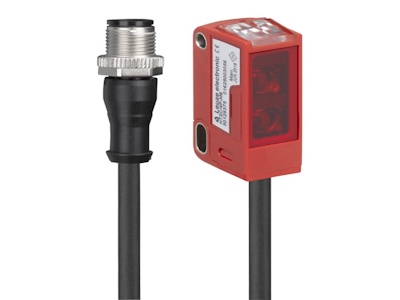
В эпоху цифровой трансформации умный дом становится не просто трендом, а необходимым элементом современной жизни. Среди множества устройств, составляющих экосистему умного дома, датчик освещенности занимает особое место. Этот небольшой, но мощный сенсор способен кардинально изменить то, как мы взаимодействуем с нашим жилым пространством, обеспечивая автоматизацию, энергоэффективность, безопасность и непревзойденный комфорт. В этой статье мы глубоко погрузимся в мир датчиков освещенности, исследуя их функциональность, преимущества и то, почему они становятся незаменимыми компонентами в умных домах по всему миру.
Умный дом — это интегрированная система, которая объединяет различные устройства и appliances через интернет вещей (IoT), позволяя удаленное управление и автоматизацию. Основная цель умного дома — сделать жизнь более удобной, безопасной и энергоэффективной. Датчики играют ключевую роль в этой системе, выступая как «глаза и уши» дома, собирая данные об окружающей среде и передавая их центральному контроллеру для принятия решений.
Среди этих датчиков, датчик освещенности выделяется своей универсальностью. Он измеряет уровень освещенности в помещении или на улице, обычно в люксах (lx), и может использоваться для автоматического регулирования освещения, жалюзи, отопления и даже безопасности. Исторически, первые датчики освещенности появились в промышленных и коммерческих приложениях, но с развитием технологий и снижением costs они стали массово внедряться в жилые дома.
В умном доме датчик освещенности не просто реагирует на изменения света; он интегрируется с другими устройствами, такими как умные лампы, выключатели, системы климат-контроля и камеры наблюдения. Это создает синергетический эффект, где одно устройство усиливает функциональность другого. Например, когда датчик обнаруживает наступление сумерек, он может автоматически включить наружное освещение для безопасности, одновременно регулируя внутренний свет для комфорта.
Важность датчика освещенности в умном доме невозможно переоценить. Он не только экономит энергию, но и улучшает качество жизни, адаптируя среду под потребности пользователя. В следующих разделах мы подробно разберем, как работает этот датчик, его ключевые функции, преимущества и практические применения.
Датчик освещенности, также известный как фотосенсор или light sensor, основан на принципе фотодетектирования. Основным компонентом является фотодиод или фоторезистор, который изменяет свои электрические свойства в зависимости от интенсивности падающего света. Когда свет попадает на сенсор, он генерирует электрический сигнал, который преобразуется в цифровые данные микроконтроллером.
Современные датчики освещенности часто используют advanced технологии, такие как CMOS или CCD sensors, similar to those in digital cameras, but optimized for light measurement. They can detect a wide range of light intensities, from very dim (e.g., 0.1 lx) to very bright (e.g., 100,000 lx), making them suitable for various environments. Additionally, many sensors include features like ambient light compensation to avoid interference from artificial light sources.
In a smart home setup, the sensor is typically connected to a hub or directly to devices via wireless protocols like Wi-Fi, Zigbee, or Z-Wave. This allows real-time data transmission and integration with other smart devices. For instance, a sensor might send data to a smart light bulb, which then adjusts its brightness based on the current light level.
Calibration is an important aspect of these sensors. They need to be calibrated to account for factors like room orientation, window size, and seasonal changes in daylight. Many smart home systems offer automatic calibration through machine learning algorithms, which learn user preferences over time and optimize settings accordingly.
The accuracy and responsiveness of light sensors have improved significantly with advancements in IoT. Modern sensors can detect subtle changes in light, such as cloud cover or the movement of shadows, enabling more precise automation. This technical sophistication is what makes them indispensable in creating a truly intelligent home environment.
Основная функция датчика освещенности — измерение уровня света, но в контексте умного дома это перерастает в многообразие применений. Вот некоторые из ключевых функций:
These functions demonstrate how a simple light sensor becomes a central node in the smart home network, enabling seamless automation that enhances daily life.
Внедрение датчика освещенности в умный дом приносит множество benefits, которые можно categorized into economic, environmental, and lifestyle aspects.
Экономические преимущества: Как упоминалось ранее, energy savings are significant. By automating lighting, homeowners can reduce their electricity consumption, leading to lower utility bills. Additionally, the initial cost of sensors has decreased, making them affordable for most households. Over time, the investment pays for itself through savings.
Экологические benefits: Reduced energy usage means a smaller carbon footprint. This aligns with global trends towards sustainability and green living. By optimizing natural light, sensors also reduce the need for artificial lighting, which often relies on non-renewable energy sources.
Улучшение комфорта и convenience: Automatic light adjustment eliminates the hassle of manually switching lights on and off. It creates a more pleasant living environment by ensuring optimal lighting levels at all times, which can improve mood and productivity. For example, in a home office, proper lighting reduces eye strain and enhances focus.
Повышение безопасности: As a deterrent to crime, automated lighting makes homes less attractive to burglars. It also provides peace of mind for residents, especially when they are away from home.
Future-proofing: With the rapid advancement of IoT, light sensors are becoming more intelligent. They can learn from user behavior and adapt, making the smart home more personalized and efficient over time.
These advantages highlight why light sensors are not just a luxury but a practical addition to any modern home.
To illustrate the indispensability of light sensors, let's explore some real-world scenarios and examples.
В жилых помещениях: In a typical home, sensors can be installed in living rooms, bedrooms, and kitchens. For instance, in a kitchen, a sensor can ensure that lights are bright enough for cooking during the day without wasting energy. In bedrooms, it can create a relaxing ambiance by dimming lights in the evening.
В офисах и рабочих spaces: Many smart offices use light sensors to maintain optimal lighting conditions, which boosts employee productivity and reduces energy costs. Sensors can adjust lights based on the amount of natural light coming through windows, ensuring consistent illumination without glare.
Наружные применения: For outdoor areas like gardens or pathways, sensors can activate lights at dusk, providing safety and aesthetics. They can also be used in conjunction with motion sensors to only light up areas when someone is present, further saving energy.
Интеграция с voice assistants: With platforms like Amazon Alexa or Google Assistant, users can voice-control their lighting based on sensor data. For example, saying "Alexa, make it brighter in here" could trigger the sensor to adjust the lights accordingly.
Case study: Consider a family that installs light sensors throughout their home. They notice a 25% reduction in their electricity bill within the first month. Additionally, the automated lighting makes their home feel more inviting and secure, especially when they return after a long day.
These examples show how versatile and impactful light sensors can be in everyday life.
The future of light sensors in smart homes looks promising, with several emerging trends.
AI and machine learning: Sensors will become smarter, using AI to predict lighting needs based on historical data and user behavior. For example, they might learn that a certain room is used mostly in the evenings and adjust lighting preemptively.
Integration with health monitoring: Future sensors could monitor light exposure to promote better sleep patterns or seasonal affective disorder (SAD) management by ensuring adequate light therapy.
Advanced materials: Developments in nanotechnology could lead to smaller, more efficient sensors that are virtually invisible, blending seamlessly into home decor.
Expanded IoT ecosystems: As more devices become connected, light sensors will play a central role in orchestrating entire home environments, from lighting to climate control and entertainment.
These innovations will further cement the role of light sensors as indispensable components of the smart home.
В заключение, датчик освещенности является незаменимым элементом умного дома благодаря своей способности обеспечивать автоматизацию, энергосбережение, безопасность и комфорт. Его техническая sophistication, combined with practical applications and future potential, makes it a key driver in the evolution of smart living. As technology continues to advance, we can expect these sensors to become even more integrated and intelligent, further enhancing our daily lives. Investing in a light sensor is not just about upgrading your home; it's about embracing a smarter, more sustainable future.
Whether you are a homeowner looking to save money or someone passionate about technology, incorporating a light sensor into your smart home setup is a decision you won't regret. It transforms your living space into a responsive, efficient, and enjoyable environment, proving that sometimes, the smallest devices make the biggest impact.
Предыдущая статья: Что такое датчик мониторинга освещенности и как он работает
Следующий пост: Преобразуйте свою жизнь с умными датчиками давления воздуха уже сегодня

 1388xx888xx