
2025-12-28 04:01:10
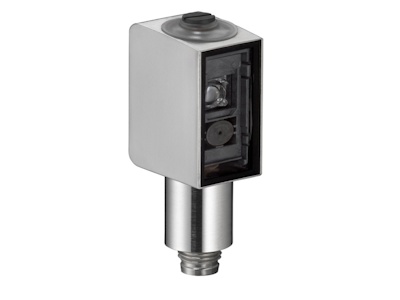
В современном мире автоматизация производства стала неотъемлемой частью промышленного ландшафта, и одним из ключевых драйверов этой трансформации являются промышленные датчики освещенности. Эти устройства, часто недооцененные, играют критическую роль в оптимизации процессов, повышении энергоэффективности и обеспечении безопасности на производственных объектах. В этой статье мы глубоко погрузимся в то, как датчики освещенности революционизируют автоматизацию, рассматривая их технологические основы, практические применения и будущие перспективы.
Промышленные датчики освещенности – это специализированные устройства, предназначенные для измерения уровня света в производственной среде. Они основаны на фотоэлектрических принципах, где световая энергия преобразуется в электрические сигналы, которые затем обрабатываются системами управления. В отличие от бытовых аналогов, промышленные версии отличаются повышенной надежностью, точностью и устойчивостью к harsh-условиям, таким как вибрация, влажность и экстремальные температуры.
Исторически, автоматизация производства началась с механизации в XVIII веке, но лишь с появлением электронных сенсоров в середине XX века она стала по-настоящему интеллектуальной. Датчики освещенности, изначально использовавшиеся для простых задач, таких как включение/выключение света, эволюционировали в сложные системы, интегрированные с IoT (Интернетом вещей) и AI (искусственным интеллектом). Сегодня они являются неотъемлемой частью концепции Industry 4.0, где машины общаются друг с другом и принимают автономные решения.
Революционный потенциал этих датчиков заключается в их способности собирать данные в реальном времени, что позволяет адаптировать производственные процессы к изменяющимся условиям. Например, на автомобильном заводе датчики могут автоматически регулировать освещение в зоне сборки, обеспечивая оптимальную видимость для рабочих и роботов, тем самым снижая ошибки и повышая производительность. Это не просто incremental improvement – это фундаментальный сдвиг в том, как мы управляем производством.
Чтобы понять, почему промышленные датчики освещенности так эффективны, необходимо разобраться в их технологических основах. Основной компонент – это фотоэлемент, обычно основанный на кремниевых фотодиодах или фототранзисторах, которые генерируют электрический ток при воздействии света. Уровень тока пропорционален интенсивности освещения, и этот сигнал усиливается и обрабатывается микроконтроллерами.
Ключевые параметры, которые измеряют эти датчики, включают освещенность (в люксах), цветовую температуру (в Кельвинах) и спектральный состав. Для промышленных применений критична высокая точность – погрешность часто составляет менее 5%, что достигается за счет калибровки и использования advanced алгоритмов. Кроме того, современные датчики оснащены интерфейсами связи, такими как IO-Link, Ethernet/IP или беспроводные протоколы like Zigbee, что позволяет им легко интегрироваться в larger сети управления.
Одним из революционных аспектов является адаптивность: датчики могут dynamically adjust their sensitivity based on ambient conditions. For instance, in a warehouse, a sensor might detect low light levels at dusk and automatically increase artificial lighting, while during bright daylight, it dims lights to save energy. This is made possible by embedded software that uses machine learning algorithms to predict patterns and optimize responses.
Сравнение с традиционными методами, такими как ручное управление освещением, показывает dramatic improvements. Where humans might forget to adjust lights or react slowly, sensors provide instant, data-driven adjustments. This not only enhances efficiency but also reduces human error, which is crucial in high-stakes environments like pharmaceutical manufacturing or electronics assembly.
Промышленные датчики освещенности находят применение в myriad отраслей, revolutionizing how automation is implemented. Let's explore some key areas.
In smart factories, these sensors are integral to adaptive lighting systems. For example, in an automotive assembly line, sensors monitor light levels to ensure that robotic arms have sufficient illumination for precise tasks like welding or painting. If light drops below a threshold, systems automatically boost lighting, preventing defects and maintaining throughput. Studies show that such automation can reduce energy consumption by up to 30% while improving product quality.
Another critical application is in environmental monitoring. In food processing plants, proper lighting is essential for hygiene and safety. Sensors detect changes in light that might indicate contamination or equipment malfunction, triggering alerts to operators. This proactive approach minimizes downtime and ensures compliance with regulations like HACCP.
Logistics and warehousing benefit immensely from illumination sensors. In automated storage and retrieval systems (AS/RS), sensors guide autonomous vehicles by providing light-based navigation cues. They also optimize lighting in aisles, reducing energy waste – a single warehouse can save thousands of dollars annually on electricity bills.
Case studies abound: A major German automaker implemented IoT-enabled light sensors across its production facilities, resulting in a 25% increase in efficiency and a 20% reduction in energy costs. Similarly, a Japanese electronics company used sensors to automate lighting in clean rooms, cutting human intervention by 50% and enhancing product yield.
The integration with other automation technologies, such as PLCs (Programmable Logic Controllers) and SCADA systems, amplifies their impact. Data from light sensors feed into central control systems, enabling holistic optimization of entire production lines. This interconnectedness is a hallmark of the Industry 4.0 revolution, where every component works in harmony.
Одним из most compelling benefits of industrial light sensors is their contribution to energy efficiency and sustainability. In traditional setups, lighting often remains on unnecessarily, wasting electricity. Sensors eliminate this by enabling occupancy-based and daylight harvesting systems.
Daylight harvesting involves sensors measuring natural light and dimming artificial lights accordingly. In a large manufacturing hall, this can lead to energy savings of 40-60%. For instance, a study in a US-based plant showed that installing light sensors reduced lighting energy use by 50%, paying back the investment in less than two years.
Moreover, these sensors support corporate sustainability goals by reducing carbon footprints. As industries face increasing pressure to go green, automation through light sensors provides a tangible solution. They also align with global initiatives like the Paris Agreement, where energy efficiency is a key pillar.
Beyond energy, sensors contribute to waste reduction. By optimizing processes, they minimize rework and scrap – in industries like textiles, proper lighting ensured by sensors reduces color mismatches and defects, leading to less material waste.
The economic impact is significant: companies not only save on utility bills but also benefit from tax incentives for energy-efficient technologies. This makes the adoption of light sensors a smart financial decision, driving further innovation and deployment.
The true revolution unfolds when industrial light sensors are integrated with IoT. By connecting sensors to cloud platforms, data can be analyzed in real-time, enabling predictive maintenance and advanced analytics.
For example, in a networked factory, light sensors communicate with central servers via protocols like MQTT or CoAP. AI algorithms then process this data to identify patterns – such as predicting when a light bulb might fail based on gradual changes in illumination, allowing for preemptive replacement and avoiding downtime.
Smart systems leverage this integration for autonomous decision-making. In a fully automated plant, sensors might detect a drop in light due to a cloudy day and not only adjust lighting but also slow down production lines slightly to maintain quality, all without human input. This level of autonomy was unimaginable a decade ago.
Challenges exist, such as cybersecurity risks – connected sensors can be vulnerable to hacking, necessitating robust encryption and authentication measures. However, advancements in blockchain and secure IoT frameworks are mitigating these concerns, making integration safer and more reliable.
Future trends point towards even deeper integration, with sensors becoming part of digital twins – virtual replicas of physical systems. This allows for simulation and optimization before implementation, reducing risks and costs.
While automation often focuses on machines, industrial light sensors also enhance safety for human workers. In environments like mining or construction, proper lighting is critical to prevent accidents. Sensors ensure that areas are well-lit only when occupied, reducing risks of trips and falls.
Moreover, in hazardous locations, sensors can detect abnormal light conditions that might indicate fires or leaks, triggering alarms and evacuation procedures. This proactive safety measure saves lives and protects assets.
The human factor is not overlooked – sensors can be calibrated to provide lighting that reduces eye strain and fatigue, boosting worker morale and productivity. For instance, in office areas within factories, adaptive lighting based on sensor data has been shown to improve concentration and reduce errors.
Training and adoption are essential; workers need to understand how to interact with automated systems. Companies investing in sensors often provide education programs, ensuring a smooth transition and maximizing benefits.
The future of industrial light sensors is bright, with several emerging trends set to further revolutionize automation. Miniaturization and cost reduction will make sensors even more ubiquitous, enabling deployment in previously inaccessible areas.
Advances in materials science, such as organic photodiodes, promise sensors that are more sensitive and durable. Integration with 5G technology will enable faster data transmission, supporting real-time applications in high-speed manufacturing.
AI and machine learning will play a bigger role, with sensors becoming self-learning – they will adapt to unique environments without manual configuration. For example, a sensor in a new factory could autonomously calibrate itself based on historical data from similar setups.
Another exciting frontier is the combination with other sensor types, like temperature or humidity sensors, for multi-parameter monitoring. This holistic approach will lead to smarter, more resilient production systems.
As we move towards Industry 5.0, which emphasizes human-machine collaboration, light sensors will facilitate intuitive interfaces – for instance, using light patterns to guide workers or robots in collaborative tasks.
Промышленные датчики освещенности indeed represent a revolution in production automation. From their humble beginnings as simple switches, they have evolved into intelligent nodes in a networked ecosystem, driving efficiency, sustainability, and safety. As technology continues to advance, their role will only grow, shaping the factories of the future.
Companies that embrace these innovations will gain a competitive edge, reducing costs and enhancing quality. The journey towards full automation is ongoing, but with light sensors leading the way, the future looks brilliantly illuminated.
For those interested in implementing such systems, it's crucial to partner with experienced providers and invest in training. The revolution is here – it's time to shine a light on it.
Предыдущая статья: Обнаружить невероятную точность цифрового барометра для вашей безопасности
Следующий пост: Точные показатели давления для вашего успеха

 1388xx888xx