
2025-12-28 16:01:10
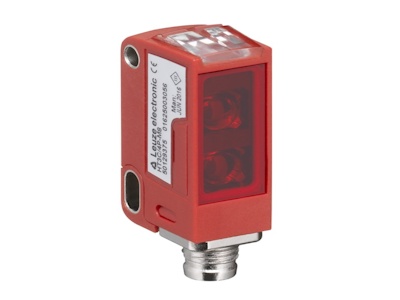
В современном мире, где технологии стремительно развиваются, точное измерение давления играет ключевую роль во множестве отраслей. От промышленных процессов до медицинских применений, возможность обнаруживать давление в реальном времени с высокой точностью открывает новые горизонты для эффективности, безопасности и инноваций. Эта статья погрузит вас в мир высокоточного мониторинга давления, объяснив фундаментальные принципы, передовые технологии, практические приложения и будущие направления. Мы рассмотрим, как современные сенсоры и системы обработки данных позволяют достигать беспрецедентной точности, и почему это так важно для нашего будущего.
Давление — это физическая величина, определяемая как сила, действующая на единицу площади. В повседневной жизни мы сталкиваемся с давлением повсеместно: от атмосферного давления, которое влияет на погоду, до давления в шинах автомобилей или в медицинских устройствах, таких как тонометры. Однако, когда речь идет о промышленных или научных применениях, требуются гораздо более точные и быстрые измерения. Обнаружение давления в реальном времени означает, что данные собираются и обрабатываются практически мгновенно, без задержек, что позволяет принимать оперативные решения. Высокая точность подразумевает минимальную погрешность измерений, часто в пределах долей процента, что критически важно для чувствительных процессов.
Исторически, измерение давления началось с простых механических устройств, таких как барометры и манометры, которые использовали жидкость или пружины для индикации изменений. С развитием электроники в XX веке появились электрические сенсоры, основанные на пьезоэлектрических или емкостных принципах, которые значительно улучшили точность и скорость. Сегодня, с интеграцией цифровых технологий, интернета вещей (IoT) и искусственного интеллекта (AI), системы обнаружения давления стали умнее, надежнее и доступнее. Они способны не только измерять, но и анализировать данные в реальном времени, предсказывать аномалии и интегрироваться с другими системами для автоматизации.
В этой статье мы подробно разберем, как работают современные сенсоры давления, какие факторы влияют на точность, и как достичь оптимальных результатов в различных сценариях. Мы также обсудим практические примеры из промышленности, медицины, automotive и других областей, чтобы показать, насколько универсальным и необходимым является это technology. Кроме того, мы заглянем в будущее, где новые материалы, нанотехнологии и квантовые сенсоры могут еще больше повысить точность обнаружения давления.
Прежде чем углубляться в детали, важно понять базовые единицы измерения давления. В международной системе (SI) давление измеряется в паскалях (Па), но часто используются и другие единицы, такие как бар, атмосфера (атм), или миллиметры ртутного столба (мм рт. ст.). Для высокоточных применений, особенно в науке и инженерии, предпочтение отдается паскалям или их производным, например, килопаскалям (кПа) или мегапаскалям (МПа). Точность измерения зависит от калибровки сенсора, окружающих условий (температуры, влажности) и качества электроники.
Одним из ключевых аспектов реального времени является частота дискретизации — сколько раз в секунду сенсор производит измерение. Для медленных процессов, таких как мониторинг атмосферного давления, достаточно нескольких измерений в минуту, но для динамичных систем, like в automotive или аэрокосмической отрасли, требуются тысячи измерений в секунду. Высокая точность добавляет еще один уровень сложности, так как даже малейшие шумы или дрейф сенсора могут исказить результаты. Поэтому современные системы включают в себя алгоритмы фильтрации, компенсации температуры и автоматической калибровки.
В следующих разделах мы explore различные типы сенсоров давления, их принципы работы, и как выбрать подходящий для вашего application. Мы также рассмотрим, как software и hardware взаимодействуют для обеспечения реального времени обработки, и какие стандарты и protocols используются для передачи данных. Whether вы инженер, researcher, или просто curious читатель, эта статья предоставит comprehensive insights into мир high-precision pressure detection.
Сенсоры давления можно классифицировать по нескольким критериям: по принципу измерения, диапазону давления, точности, и application. Наиболее распространенные типы включают piezoresistive, capacitive, piezoelectric, optical, и resonant сенсоры. Каждый из них имеет свои advantages and disadvantages, и выбор зависит от конкретных требований.
Piezoresistive сенсоры основаны на изменении electrical resistance материала under pressure. Они typically используют кремниевые membranes с implanted resistors, которые deform при applied pressure, leading to change in resistance. These сенсоры popular due to их high sensitivity, wide dynamic range, and relatively low cost. Однако, они sensitive to temperature changes, что требует compensation circuits. For example, in automotive applications, piezoresistive сенсоры used for monitoring tire pressure or engine conditions, where real-time data crucial for safety.
Capacitive сенсоры work by measuring changes in capacitance between two plates, one of which moves under pressure. Они offer high accuracy and stability, with low power consumption, but can be affected by humidity and require careful calibration. Often used in medical devices, such as blood pressure monitors, where precision is vital.
Piezoelectric сенсоры generate an electrical charge in response to applied pressure, making them ideal for dynamic measurements with high frequency response. Однако, они not suitable for static pressure measurements due to charge leakage. Common in acoustics, vibration analysis, and industrial processes where rapid changes need to be captured.
Optical сенсоры use light to measure pressure, often through fiber Bragg gratings or interferometry. Они immune to electromagnetic interference and can be used in harsh environments, but are complex and expensive. Applications include oil and gas industry, where high pressure and temperature conditions prevail.
Resonant сенсоры rely on changes in resonant frequency of a structure under pressure. Они provide very high accuracy and stability, but are sensitive to external vibrations and require sophisticated electronics. Used in precision instruments and meteorological stations.
In addition to these, there are MEMS (Micro-Electro-Mechanical Systems) сенсоры, which miniaturize these principles using semiconductor technology. MEMS сенсоры are small, cheap, and integrable with electronics, making them perfect for IoT devices and consumer electronics. For instance, smartphones often include MEMS pressure сенсоры for altitude tracking or weather apps.
The working principle of a typical pressure сенсор involves a sensing element that converts pressure into a mechanical displacement, which is then transduced into an electrical signal. This signal is amplified, filtered, and converted to digital form by an ADC (Analog-to-Digital Converter). For real-time processing, microcontrollers or DSPs (Digital Signal Processors) are used to handle the data at high speeds. Calibration is critical: during manufacturing, сенсоры are calibrated against known pressure standards to ensure accuracy. Temperature compensation is often integrated, as pressure measurements can drift with temperature changes.
To achieve high precision, factors like hysteresis, nonlinearity, and repeatability must be minimized. Hysteresis refers to the difference in output when pressure is increased versus decreased, nonlinearity means the output does not follow a straight line, and repeatability is the ability to give the same output under identical conditions. Advanced materials, such as silicon carbide or ceramics, are used to reduce these effects. Additionally, digital compensation algorithms can correct errors in software.
In real-time systems, the bandwidth of the сенсор must match the application requirements. For example, in aerospace, pressure changes during flight can be rapid, so сенсоры with high bandwidth are essential. The signal-to-noise ratio (SNR) is also important; a high SNR means less noise and better accuracy. Shielding and proper grounding help reduce electromagnetic interference.
When selecting a pressure сенсор, consider the pressure range (e.g., from vacuum to high pressure), accuracy needed (e.g., ±0.1% full scale), environmental conditions (temperature, humidity, chemicals), and output type (analog or digital). Digital outputs, such as I2C or SPI, facilitate integration with microcontrollers for real-time processing.
Overall, the choice of сенсор depends on a balance of cost, performance, and application specifics. As technology advances, new types like graphene-based сенсоры or quantum сенсоры are emerging, promising even higher precision and smaller sizes.
Достижение высокой точности в реальном времени требует не только advanced сенсоров, но и sophisticated electronics, software, and communication technologies. Let's delve into the key components that enable this.
First, the signal conditioning circuit is crucial. It includes amplifiers to boost the weak signal from the сенсор, filters to remove noise, and analog-to-digital converters (ADCs) to digitize the signal. High-resolution ADCs, such as 16-bit or 24-bit, allow for finer measurement increments, improving accuracy. For real-time processing, the ADC's sampling rate must be high enough to capture rapid changes without aliasing. Nyquist theorem states that the sampling rate should be at least twice the highest frequency component of the signal.
Microcontrollers or FPGAs (Field-Programmable Gate Arrays) are used for data processing. They run algorithms for filtering, calibration, and compensation. Digital filters, like FIR or IIR filters, can remove noise without phase distortion. Temperature compensation can be done using lookup tables or mathematical models based on temperature readings from a separate sensor.
Software plays a vital role. Real-time operating systems (RTOS) ensure that tasks are executed within strict timing constraints. Algorithms for data analysis, such as FFT (Fast Fourier Transform) for frequency domain analysis, can detect patterns or anomalies. Machine learning algorithms can be trained to predict pressure changes or identify faults based on historical data.
Communication protocols enable data transmission to other systems. Wired protocols like CAN bus in automotive or Modbus in industrial settings provide reliable real-time communication. Wireless technologies like Bluetooth, Wi-Fi, or LoRaWAN are used in IoT applications for remote monitoring. However, wireless can introduce latency, so for critical real-time applications, wired is preferred.
Cloud computing and edge computing are increasingly integrated. Edge devices process data locally to reduce latency, while cloud platforms store and analyze large datasets for long-term trends. This combination allows for both real-time response and big data analytics.
Calibration and maintenance are ongoing processes. Automated calibration systems can periodically adjust сенсоры based on reference standards. Predictive maintenance using AI can alert users before a сенсор fails, ensuring continuous accuracy.
Examples of technologies in action: In smart factories, pressure сенсоры on production lines monitor hydraulic systems in real-time, with data sent to a central control system that adjusts parameters instantly to maintain quality. In healthcare, wearable pressure monitors use Bluetooth to send data to smartphones apps, allowing patients and doctors to track conditions like hypertension in real-time.
Future technologies include the use of AI for adaptive calibration, where the system learns and compensates for drift over time. Quantum сенсоры, based on atomic phenomena, promise unprecedented accuracy by measuring pressure through changes in quantum states, though they are still in research phase.
In summary, high-precision real-time pressure detection is a multidisciplinary field combining sensor technology, electronics, software, and communications. Continuous innovation is driving improvements in accuracy, speed, and affordability.
Промышленность является одним из largest consumers of pressure detection technology. From manufacturing to energy production, accurate real-time pressure monitoring enhances efficiency, safety, and productivity.
In manufacturing, pressure сенсоры are used in hydraulic and pneumatic systems to control machinery. For example, in injection molding machines, pressure must be precisely controlled to ensure consistent product quality. Real-time monitoring allows for immediate adjustments, reducing waste and downtime. High precision is critical because even small deviations can lead to defects.
In the oil and gas industry, pressure monitoring is essential for drilling, pipeline transport, and refining. Downhole pressure сенсоры in wells measure reservoir pressure in real-time, optimizing extraction rates and preventing blowouts. These сенсоры must withstand extreme temperatures and pressures, often using optical or resonant types for high accuracy. Pipeline monitoring uses distributed pressure sensors to detect leaks early, with data transmitted via SCADA systems for rapid response.
In energy production, such as in nuclear or thermal power plants, pressure vessels and steam systems require constant monitoring to prevent accidents. Pressure relief valves are tested and calibrated using high-precision sensors to ensure they activate at the correct pressure. Real-time data integration with control systems enables automated shutdowns in case of anomalies.
Automotive industry relies on pressure sensors for various functions: tire pressure monitoring systems (TPMS) improve fuel efficiency and safety by alerting drivers to under-inflation; engine management systems use manifold absolute pressure (MAP) sensors to optimize air-fuel mixture for combustion; and brake systems monitor hydraulic pressure for ABS functionality. Real-time processing is vital for these safety-critical applications.
In aerospace, pressure sensors are used in aircraft for altitude measurement, cabin pressure control, and engine monitoring. High accuracy is necessary for navigation and safety, with sensors often having redundant systems for reliability. Real-time data is processed by flight computers to make instantaneous adjustments.
Chemical processing industries use pressure sensors to monitor reactors and vessels, ensuring reactions proceed at desired pressures. Accurate control prevents runaway reactions and improves yield. Sensors must be corrosion-resistant and capable of handling aggressive chemicals.
Water treatment plants employ pressure sensors to monitor pipeline pressure, detect leaks, and control pumps. Real-time data helps in managing water distribution efficiently, reducing losses and ensuring supply.
Overall, in industry, the benefits of high-precision real-time pressure detection include reduced operational costs, enhanced safety, compliance with regulations, and improved product quality. The trend is towards smarter sensors with IoT connectivity, enabling predictive maintenance and centralized monitoring.
Медицина heavily depends on precise pressure measurements for diagnosis, treatment, and monitoring. Real-time detection with high accuracy can save lives and improve patient outcomes.
Blood pressure monitoring is the most common application. Traditional sphygmomanometers are being replaced by digital devices with capacitive or piezoresistive sensors that provide continuous, real-time readings. Ambulatory blood pressure monitors allow 24-hour tracking, helping diagnose hypertension more accurately. In hospitals, invasive blood pressure monitoring using arterial lines provides real-time data during surgeries or in ICUs, with sensors that must be highly accurate and sterile.
Intracranial pressure (ICP) monitoring is critical for patients with head injuries or neurological conditions. Sensors inserted into the skull measure pressure in real-time, guiding treatment to prevent brain damage. High precision is essential because small changes can indicate serious issues.
In respiratory therapy, pressure sensors are used in ventilators to monitor airway pressure, ensuring patients receive the correct ventilation support. Real-time adjustments based on sensor data optimize therapy and reduce complications.
Cardiac applications include pressure monitoring in heart catheters during procedures like angioplasty, where pressure gradients across valves or arteries are measured to assess blockages. Accuracy is vital for making clinical decisions.
Urological applications involve pressure sensors in urodynamic studies to measure bladder pressure, aiding in the diagnosis of incontinence or obstructions.
Wearable medical devices, such as smartwatches with pressure sensors, are emerging for continuous health monitoring. They can detect changes in ambient pressure for altitude-related health issues or integrate with other sensors for comprehensive health tracking.
Challenges in medical applications include miniaturization, biocompatibility, and sterilization. Sensors must be small enough for implantation or wear, made from materials that do not cause immune reactions, and able to withstand sterilization processes. Calibration must be meticulous to ensure patient safety.
Future directions include implantable sensors that communicate wirelessly with external devices, allowing long-term monitoring without frequent interventions. AI algorithms can analyze pressure data in real-time to predict events like hypertensive crises or heart failures.
In summary, medical applications of high-precision real-time pressure detection are expanding, driven by technological advancements and the need for personalized healthcare. They enhance diagnostic accuracy, enable timely interventions, and improve quality of life.
Beyond industry and medicine, high-precision real-time pressure detection finds uses in various other fields, demonstrating its versatility.
In environmental monitoring, pressure sensors are used in weather stations to measure atmospheric pressure, which is key for weather forecasting. Real-time data helps predict storms and climate changes. Oceanographic studies use deep-sea pressure sensors to monitor water pressure, aiding in tsunami detection and marine research.
In automotive beyond TPMS, pressure sensors are used in fuel systems, transmission systems, and airbag systems. For example, crash sensors detect pressure changes to deploy airbags at the right moment, requiring millisecond-level response times.
In consumer electronics, smartphones and wearables use barometric pressure sensors for altitude tracking, indoor navigation, and fitness applications. Real-time data enhances user experiences, such as in hiking apps that show elevation changes.
In sports, pressure sensors are embedded in equipment like footballs or shoes to measure performance metrics. For instance, in soccer, smart balls with pressure sensors can detect kicks and passes in real-time for analysis.
In research and development, pressure sensors are used in laboratories for experiments involving gases or fluids. High accuracy is necessary for reproducible results in physics, chemistry, and biology studies.
In agriculture, pressure sensors monitor irrigation systems, ensuring water pressure is optimal for efficient watering. Real-time data can be integrated with IoT systems for automated control.
Each application has unique requirements, but the core need for accuracy and real-time capability remains. As sensors become cheaper and more integrated, their adoption will continue to grow across diverse sectors.
The future of high-precision real-time pressure detection is bright, with several exciting trends on the horizon.
Miniaturization will continue, with MEMS and NEMS (Nano-Electro-Mechanical Systems) leading to even smaller sensors that can be implanted or embedded无处不在. This will enable new applications in nanomedicine or ubiquitous computing.
Advanced materials like graphene, carbon nanotubes, or metamaterials offer superior sensitivity and stability. Graphene-based sensors, for example, can detect minute pressure changes due to their excellent electrical and mechanical properties.
Quantum sensors are a cutting-edge area. By exploiting quantum effects like superconductivity or atomic transitions, they can achieve accuracies beyond classical limits. Although currently experimental, they hold promise for fundamental research and ultra-precise measurements.
Integration with AI and machine learning will make sensors smarter. Adaptive systems that self-calibrate, learn from data, and predict failures will reduce maintenance needs and improve reliability. For instance, AI can compensate for sensor drift in real-time based on historical patterns.
Energy harvesting technologies will allow sensors to operate wirelessly for years without battery changes, using ambient energy from pressure changes themselves or other sources like vibration or light.
5G and beyond communication technologies will enable faster data transmission with lower latency, supporting real-time applications in remote or mobile settings.
Standardization and interoperability will improve, making it easier to integrate sensors from different manufacturers into cohesive systems. Initiatives like IoT protocols will facilitate this.
Ethical considerations, such as privacy in medical monitoring or safety in autonomous systems, will need to be addressed as these technologies become more pervasive.
In conclusion, the field is moving towards more intelligent, connected, and precise sensors that will transform how we monitor and interact with the physical world. Continuous innovation will unlock new possibilities across all sectors.
Обнаружение давления в реальном времени с высокой точностью является краеугольным камнем modern technology, с applications ranging from industry to medicine and beyond. Through advanced сенсоры, sophisticated electronics, and smart software, we can achieve measurements that were once impossible. This enables safer, more efficient, and innovative solutions across the board.
As we look to the future, ongoing research and development will further enhance accuracy, reduce costs, and expand applications. Whether it's through quantum sensors, AI integration, or new materials, the potential is limitless. Embracing these technologies will drive progress and improve quality of life globally.
We hope this article has provided a comprehensive overview and inspired you to explore further. Thank you for reading, and remember: precision in pressure detection is not just about numbers—it's about unlocking new opportunities and ensuring a better tomorrow.
Предыдущая статья: Увлажнитель воздуха секрет идеального микроклимата в вашем доме
Следующий пост: Как портативный датчик света изменит вашу повседневность

 1388xx888xx