
2025-12-29 04:01:10
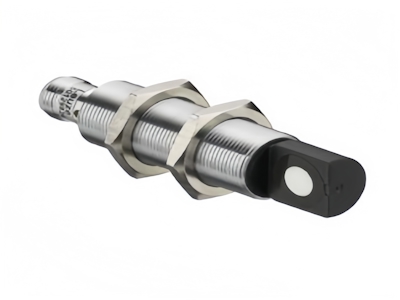
В современном мире технологии проникают во все сферы нашей жизни, и дом не является исключением. Умный дом — это не просто модный тренд, а реальная возможность сделать нашу жизнь более комфортной, безопасной и экономичной. И всё это начинается с, казалось бы, простых вещей, таких как датчики освещения. В этой статье мы подробно рассмотрим, как датчики освещения становятся основой умного дома, их преимущества, принципы работы, различные типы, процесс установки, интеграцию с другими системами и многое другое. Мы углубимся в детали, чтобы вы могли полностью понять, как автоматизация освещения может преобразить ваш быт.
Освещение — это одна из самых фундаментальных потребностей в любом доме. Мы используем свет для чтения, работы, отдыха и создания атмосферы. Но традиционное управление освещением через выключатели часто неэффективно: мы забываем выключить свет, тратим лишнюю энергию или испытываем неудобства при поиске выключателя в темноте. Датчики освещения решают эти проблемы, автоматизируя процесс. Они позволяют свету включаться и выключаться автоматически в зависимости от условий, таких как наличие людей, уровень естественного освещения или время суток. Это не только удобно, но и экономит электроэнергию, что положительно сказывается на вашем бюджете и окружающей среде.
Более того, датчики освещения служат отправной точкой для более сложных систем умного дома. Они могут интегрироваться с другими устройствами, такими как умные розетки, термостаты или системы безопасности, создавая единую экосистему. Например, когда датчик движения обнаруживает ваше присутствие, он может не только включить свет, но и настроить температуру или включить музыку. Таким образом, начав с датчиков освещения, вы постепенно строите полноценный умный дом, который адаптируется под ваши потребности.
Датчики освещения основаны на различных технологиях, но наиболее распространены фоторезисторы и датчики движения с функциями освещения. Фоторезисторы измеряют уровень освещённости в помещении или на улице. Они содержат светочувствительный материал, сопротивление которого изменяется в зависимости от количества света. Когда естественное освещение падает ниже заданного порога (например, вечером или в пасмурную погоду), датчик отправляет сигнал для включения искусственного света. Это особенно полезно для уличного освещения или окон, где можно автоматически регулировать шторы или жалюзи.
Датчики движения, часто используемые в сочетании с освещением, обнаруживают перемещение с помощью инфракрасных, ультразвуковых или микроволновых технологий. Инфракрасные датчики реагируют на тепло тела, ультразвуковые — на звуковые волны, а микроволновые — на движение объектов. Когда датчик засекает движение, он активирует свет на определённое время, после чего автоматически выключает его, если движение прекращается. Это идеально для коридоров, ванных комнат или подъездов, где свет нужен только при присутствии людей.
Современные умные датчики также подключаются к Wi-Fi или другим протоколам, таким как Zigbee или Z-Wave, позволяя управлять ими удалённо через смартфон или голосовые помощники like Alexa или Google Assistant. Это добавляет уровень гибкости: вы можете настраивать расписания, чувствительность и другие параметры из любого места.
Существует несколько типов датчиков освещения, каждый с своими особенностями и применениями. Давайте рассмотрим основные из них.
Выбор типа зависит от ваших потребностей. For example, for a bathroom, a motion sensor might be sufficient, while for a living room, a combined sensor could be better to avoid unnecessary activation during the day.
Автоматизация освещения через датчики brings numerous benefits that make them a cornerstone of smart homes.
These advantages make sensors a smart investment for any homeowner looking to modernize their living space.
Selecting the right sensors involves considering several factors to ensure they meet your specific needs.
It's also helpful to read reviews and consult with professionals if you're unsure. Starting with a starter kit from a reputable brand can be a good way to test the waters.
Installing lighting sensors is generally straightforward, but it depends on the type. Here's a general guide.
If you're not comfortable with electrical work, hire a professional to avoid risks. Many modern sensors are DIY-friendly with plug-and-play designs.
One of the biggest strengths of lighting sensors is their ability to integrate with other smart home devices. This creates a holistic automated system.
Platforms like Apple HomeKit, Samsung SmartThings, or open-source solutions like Home Assistant facilitate this integration, making it easy to build a customized smart home.
To illustrate the impact, let's look at some practical scenarios where lighting sensors enhance daily life.
These examples show how sensors adapt to different contexts, making them versatile tools for automation.
Beyond convenience, lighting sensors play a key role in energy conservation. By reducing unnecessary light usage, they lower carbon footprints and support green living.
Statistics show that lighting accounts for about 15% of global electricity consumption. Sensors can cut this significantly. For instance, in commercial buildings, automated lighting systems save millions of kWh annually. At home, even small savings add up over time.
Moreover, pairing sensors with LED bulbs amplifies the effect. LEDs are already energy-efficient, and sensors ensure they're used optimally. This combination is a win-win for your wallet and the planet.
Governments and organizations often offer incentives for installing energy-efficient devices, so check for rebates or tax credits in your area to make the upgrade even more affordable.
The technology behind lighting sensors is continuously evolving. Future trends include:
These advancements will further solidify the role of sensors as the foundation of smart homes, making automation seamless and intuitive.
Датчики освещения — это не просто gadget, а мощный инструмент для преобразования вашего дома в умное, эффективное пространство. Начиная с них, вы закладываете основу для полной автоматизации, которая приносит удобство, экономию и безопасность. Неважно, новичок вы в мире умных домов или опытный энтузиаст, инвестиции в датчики освещения окупятся многократно. Начните с малого: установите датчик в коридоре или у входной двери, и вы сразу почувствуете разницу. Автоматизируйте свой быт сегодня и шагните в будущее, где технологии работают на вас.
Если у вас есть вопросы или需要更多 советов, не стесняйтесь обращаться к профессионалам или исследовать онлайн-ресурсы. Умный дом — это journey, и датчики освещения — perfect first step.
Предыдущая статья: Невероятная точность вашего пространства с лучшим термогигрометром
Следующий пост: Цифровой гигрометр революция в измерении влажности

 1388xx888xx